
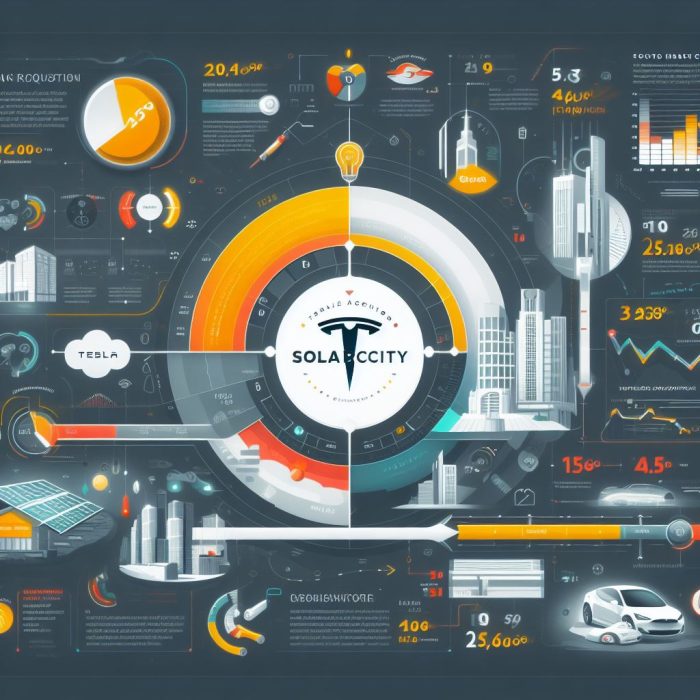
Tesla’s acquisition of SolarCity in 2016 was a major milestone in the company’s efforts to become a one-stop shop for sustainable energy. It was a major boost for solar energy adoption in the United States.
The acquisition allowed Tesla to integrate its solar panel and battery storage products with its electric vehicles, creating a more seamless and affordable experience for customers.
The acquisition also helped to expand Tesla’s reach into the solar energy market. SolarCity was the largest residential solar installer in the United States at the time of its acquisition, and Tesla has since become one of the leading providers of solar energy products and services in the country.
Tesla has also become one of the leading providers of solar energy products and services in the country.
The key ways the acquisitions influenced Tesla’s approach to solar energy are as follows:
1. Vertical Integration: The acquisition allowed Tesla to vertically integrate solar energy generation, energy storage, and electric vehicles into a unified ecosystem. SolarCity’s expertise in solar power is combined with Tesla’s electric vehicle and energy storage technologies, aiming to create a seamless and interconnected renewable energy solution. This integration enables Tesla to offer customers a comprehensive package, including solar panels, energy storage systems, and electric vehicles, promoting a holistic approach to sustainable energy adoption.
2. Tesla Solar Products: Tesla expanded its solar product offerings with solar roof tiles, known as Solar Roof. These roof tiles are designed to resemble conventional roofing materials while generating electricity from the sun.
3. Energy Storage and Solar Pairing: The Powerwall and Powerpack have been closely aligned with Tesla’s solar offerings. The acquisition of SolarCity facilitated the tight integration between solar power generation and energy storage. These capabilities are combined to enable customers to store excess solar energy generated during the day for use during peak demand periods or when sunlight is limited, maximizing the efficiency and value of solar installations.
4. Enhanced Sales and Distribution Channels: The acquisition also expanded the sales and distribution channels for solar products through an extensive network of retail stores, service centers, and an online presence. This leveraged the promotion and sale of solar products alongside Tesla’s electric vehicles and energy storage systems. As a result, the marketing reach has extended to a broader customer base, increasing awareness and accessibility of solar energy solutions.
5. Streamlined Operations: The integration of SolarCity into Tesla resulted in operational synergies and cost efficiencies. It streamlined the design, manufacturing, and installation processes for solar products, allowing for better coordination and optimization across the entire renewable energy ecosystem. This provides a smoother customer experience and potentially reduces overall costs.
The acquisition of SolarCity by Tesla has undoubtedly strengthened the company’s position in the solar energy market, enabling it to present itself as a provider of a comprehensive and interconnected energy ecosystem. This promotion of sustainable and interconnected energy solutions extends not only to electric vehicles but also to a complete package of required elements.
The mission is unquestionably justified by its strategic projects.
Sources:- Tesla, seia, BloombergNEF
 ledlights