

The Hindustan Ambassador has been an iconic symbol of vehicle transportation in India, particularly in Kolkata, where yellow Ambassador taxis are legendary. Despite the availability of Audi, BMW, and the latest news about Tesla entering the market, no one has been able to erase the sentimental value and memories associated with the legendary Ambassador, often considered our grandfather’s favorite car. So, what do you think about Hindustan Ambassador an autonomous vehicle?
What if we reintroduce the Ambassador as an autonomous vehicle? Is anyone ready to take on this risk, and do you think it would be fruitful or have a lasting impact?
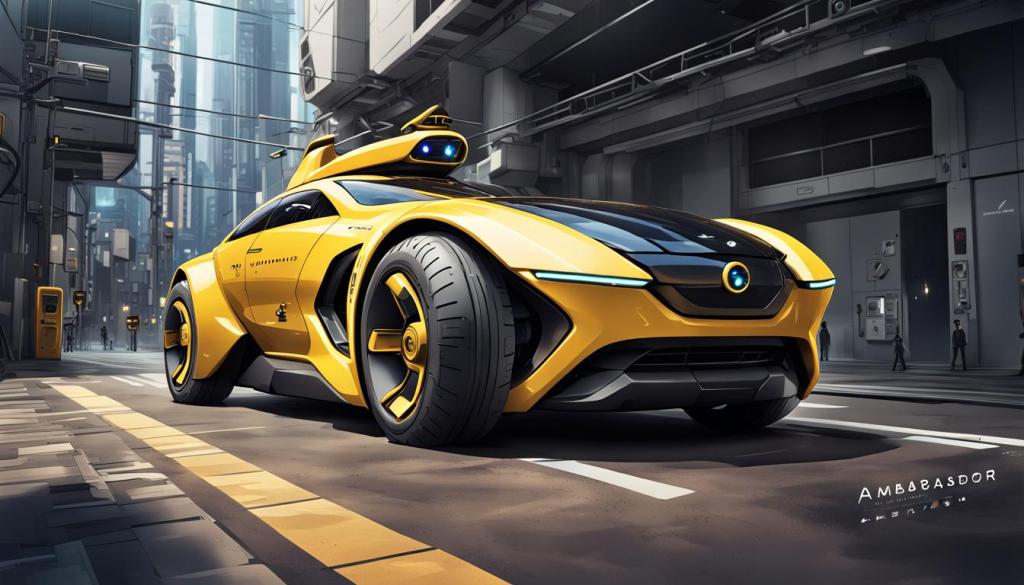
If we consider transforming the Ambassador into an autonomous vehicle, there are several factors to consider:
- Technical Hurdles:
- Retrofitting Sensors: The Ambassador lacks necessary onboard sensors like LiDAR, radar, and high-resolution cameras crucial for perceiving and navigating the environment. Integrating these seamlessly would require significant modifications to the vehicle’s structure and electrical system.
- Computing Power: Processing sensor data and making real-time driving decisions demands immense computational power. The Ambassador’s original platform might not handle the sophisticated AI algorithms required for autonomous driving.
- Mechanical Adaptations: Steering, braking, and acceleration would need to be converted to electronic control by motors or actuators. This involves re-engineering the drivetrain and potentially modifying the chassis for stability and maneuverability
So, the following considerations needed for our Ambassador to be relaunched are:-
- Hardware Requirements: Installation of sensors such as cameras, radar, LiDAR, etc., around the vehicle to enable it to sense and perceive its environment. A powerful central computer for processing all sensor data and running the autonomous driving software. Changes to steering, braking, and acceleration systems to enable electronic control.
- Software Requirements:
- Development of a perception algorithm to understand sensor data and determine the road’s location and obstacles.
- Path planning and driving policy software for making decisions on how to drive, involving complex AI/ML challenges.
- Integration and calibration of all autonomous driving software components specifically for the Ambassador.
- Highly detailed maps as a key enabler for covering roads for Ambassador’s autonomous driving.
The constraints and problems associated are:-
- Regulatory Landscape:
- Homologation: Existing regulations might lack a clear pathway for approving a retrofitted AV. Obtaining necessary permits and certifications for safe operation on public roads could be a significant hurdle.
- Liability Concerns: Determining responsibility in case of accidents raises complex legal and ethical questions that need to be addressed.
- Economic Feasibility:
- Cost: The extensive engineering, hardware, and software development required could make the project financially prohibitive, especially considering the Ambassador’s limited production run and lack of readily available parts.
- Market Demand: Is there a market for a retro-futuristic, autonomous Ambassador? While the nostalgia factor might attract some, the cost and practicality compared to modern AVs could limit its appeal.
Considering these challenges, the concept of commercializing an autonomous Ambassador seems like an impossible dream with technical challenges and financial risks. It’s a concept with clear limitations but a hands-on challenge for engineering enthusiasts to create a market for a retro-futuristic vehicle and preserve the iconic legacy of the Ambassador.
The commercialization of an autonomous Ambassador would require a multi-year effort from knowledgeable and experienced autonomous vehicle experts. Additionally, it remains unknown whether customers would prefer the Ambassador with features like Amazon’s Zoox or GM’s Cruise.
In conclusion, the analysis shows that the idea faces technical challenges and is a financially risky endeavor. It represents a concept with clear limitations but provides a hands-on challenge for engineering enthusiasts to create a market for a retro-futuristic vehicle while preserving the iconic legacy of the Ambassador. The fate of the Ambassador’s future as an autonomous vehicle is uncertain, and opinions on whether to see its interior transformation or keep it as it is vary.
Sources:- Hindustan Ambassador, Dynamicrep, Forbes, research with AI models.
 ledlights