
Japan is known for being at the forefront of automotive innovation and became a significant player in the global electric vehicle (EV) market. As the world is pacing toward sustainable transportation, understanding consumer preferences in the EV market is crucial for automakers and industry players.
The key insights and trends by Japanese consumer preferences in the EV market are:-
Body: Hybrid vs Electric:
In Japan, hybrids are popular for several years due to their high fuel efficiency and reliability. However, electric vehicles are gaining popularity and market share in the country. According to the Japan EV club, over 480,000 EVs are on Japanese roads in 2020, compared to just 22,000 in 2012. The shift towards electric vehicles are increasing the consumer preference for sustainable transportation.
Brand Loyalty:
Japanese consumers are known for their brand loyalty and an extend to prefer for EVs. The two leading EV manufacturers in Japan are Nissan and Mitsubishi, holding a combined market share of over 65%.
Toyota, Mazda, and Honda offers popular hybrid models in the Japanese market. The brand reputation and reliability are key factor to drive consumer preference in the EV market.
Range Anxiety:
The popularity of EVs in Japan are increasing with an issue of range anxiety remains a concern for consumers. Many Japanese consumers drive short distance, and the concern is not range per se but rather where to charge a car. It led to a massive growth of public charging infrastructure in the country with initiatives launched to promote EV usage and charging infrastructure development.

In 2022, Japan hit an all-time high of 92,000 EV sales, representing a 109% YoY increase. This surge surpasses the 2021 figure of 44,000 and marks a significant acceleration in adoption.
Design:
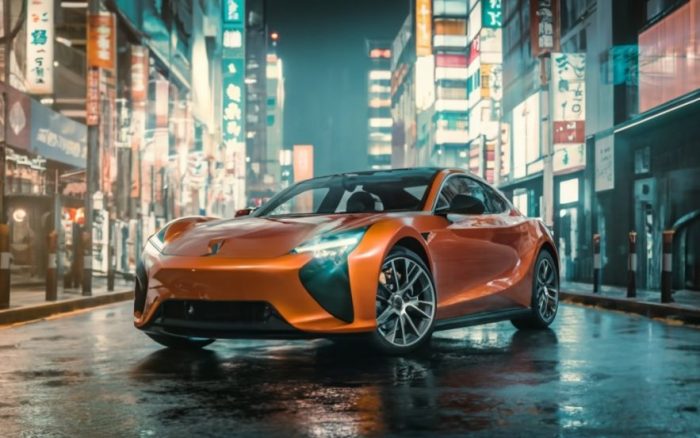
A high value placed by Japanese consumers on design and aesthetics and extends the preference for EVs. Many Japanese EV models got a unique and futuristic design catering the consumer preference. Also, EVs that are compact and suitable for urban lifestyles are highly popular in Japan due to the country’s dense urban environment.
Price of EVs are also a significant factor in Japanese consumer preference. While EVs are more expensive than traditional gasoline-powered cars, government incentives and tax breaks made it more affordable for many consumers in Japan. Also, short-term lease options also made EVs more accessible to the average consumer.
Advanced features: Japanese consumers are tech-savvy and it appreciates the advanced features such as driver-assistance systems, connectivity, and in-vehicle entertainment. EVs are equipped with these features are known to be more appealing.
Environmental consciousness: It is rising in Japan, and EVs are increasingly seen to reduce carbon emissions and combat climate change. The trend is also likely to drive EV demand in the long term.

In 2022, BEVs accounted for 46.3% of total EV sales, with Kei EVs leading the charge.
The interesting facts associated with the EV market in Japan:-
- The compact EVs such as the Nissan Leaf and Honda e are bestsellers, reflecting the preference for smaller cars.
- The charging infrastructure is improving with government aiming for 320,000 public chargers by 2030.
- The Japanese government aims for 3.4 million EVs on the road by 2030 and 30 million by 2050.
- The popular EV models in Japan are the Nissan Leaf, the Mitsubishi Outlander PHEV and the Honda e. Japanese customers are loyal to native brands and models. They prefer to acquire electric vehicles with CHAdeMO charging protocol.
- The electric automobiles are dependable, efficient, and environmentally friendly are preferred more by Japanese customers, respecting electric vehicle’s quality and performance, as well as the environmental effect and social responsibility.
- Choose electric vehicles with high range, quick charging and low maintenance expenses.
- Government and corporate incentives and regulations impact the Japanese consumers. The consumers are more inclined to purchase electric vehicles if they obtain subsidies, tax breaks, and preferred parking and toll costs.
- They are also more inclined to purchase electric vehicles if they have access to a large network of charging stations and service facilities.
Japanese interest in electric vehicles are due to their openness to new technology and innovation. The interest in electric vehicles with sophisticated features and functionalities such as autonomous driving, battery swapping, and wireless charging. The interest is also in distinctive and futuristic form and aesthetic.

HEVs remain the dominant force in the Japanese market, holding a 77.5% share of electric vehicle sales in 2022. These vehicles combine electric motors with gasoline engines, offering fuel efficiency without the range anxiety associated with pure BEVs.
Let’s also check out the demographic parameters influencing the Japanese behavior in the EV market:-
- Age: Younger customers are interested in electric vehicles providing innovation, convenience, and style, whereas elderly consumers are more concerned with electric vehicles proving dependability, safety, and comfort. Younger customers also have greater access to information and education on electric vehicles, whereas older consumers have more experience and commitment to conventional vehicles. The average age of electric purchasers in Japan is 50 years old, older than the average age of conventional car buyers, which is 46 years old.
- Income: Consumers also influence the affordability and choice of electric vehicles. The high-income consumers can purchase more expensive and luxury electric vehicles, whilst lower-income consumers choose less expensive and basic electric vehicles. The higher-income consumers value electric vehicles to provide performance, luxury, and prestige, whereas lower-income consumers value electric vehicles providing efficiency, economy, and practicality. As per a report, the average income of electric car buyers in Japan is 7.8 million yen which is higher than the average income of conventional car owners, which is 6.5 million yen.
- Lifestyle: The consumer requirements and preferences for electric vehicles are influenced by their lifestyle. Consumers in urban regions choose the tiny, nimble electric vehicle that is simple to park and charge, whereas consumers in rural areas prefer electric vehicles that are large, powerful, and have a long range. Customers with big family choose electric vehicles with greater room and features whereas consumers commuting daily or with a small household prefers electric vehicles with lower maintenance and expenditures. As per another source, the bulk of electric car customers in Japan live in cities such as Tokyo, Osaka, and Nagoya.

Established Japanese automakers like Toyota, Nissan, and Honda hold an advantage due to brand loyalty and their increasing focus on EV development.
The major trends to observe in the Japanese EV market:-
- Rise of mini EVs: Small, affordable EVs such as the Honda e and Nissan Sakura are gaining popularity in Japan. The vehicles caters to urban drivers and offers a practical alternative to traditional Kei cars.
- Focus on V2G technology: Vehicle-to-grid (V2G) technology allows EVs for storing and exporting energy back to the grid. It also helps in stabilizing the grid and incentivize EV ownership through energy cost savings.
- Expansion of charging infrastructure: The Japanese government is investing heavily in expanding the country’s charging infrastructure, addressing the range anxiety and boosting EV adoption.
- Increased competition from foreign players: Foreign automakers such as Tesla, Hyundai, and Volkswagen are entering the Japanese EV market with competitive offerings. It also put pressure on domestic companies to innovate and improve the EV lineup.
In a nutshell, different segments of consumers such as gender, education, culture, and location are affecting the behavior of Japanese customers.
Sources:- Bolt, amomobility, cyber switching, GFK, sphericalinsights, counterpointresearch, sisinternational
 ledlights