

Gender roles in Japan have traditionally been characterized by a division of labor, with men typically working outside the home and women taking on domestic duties. While this model is changing, it still has a significant impact on societal attitudes towards gender roles and expectations. These attitudes can extend to consumer behavior, including the purchase and preference of electric cars.
Studies have suggested that gender roles may have an impact on car preferences in Japan. For example, women are more likely to prefer smaller, compact cars, while men often prefer larger, more powerful vehicles.
This preference may be shaped by gendered expectations related to driving, where men are often more commonly expected to undertake longer driving journeys than women.
While gender roles can influence consumer behavior in Japan, it is important to note that these roles are changing. Studies indicate that younger generations in Japan are inclined to hold egalitarian attitudes toward gender roles, potentially not being as influenced by traditional gendered expectations as their older counterparts.
This shift presents an opportunity for automakers and industry players to target a new and more diverse audience rather than adhering to traditional gendered marketing strategies.
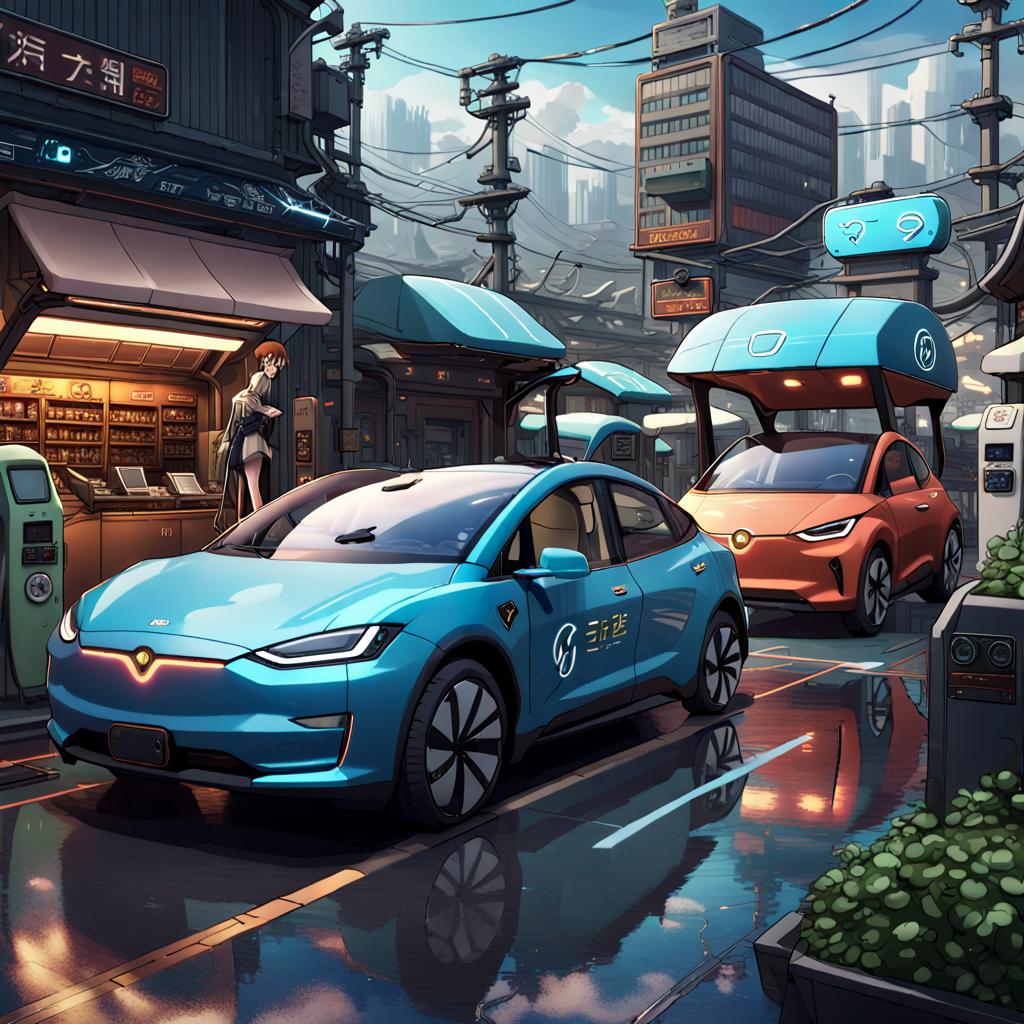
My electric car is so quiet; it’s like a ninja on wheels. If only it had a stealth mode button!
The key points about the impact of gender roles on the purchase and preference of electric cars in Japan are:
- According to reports, a large gender discrepancy in electric car ownership and usage in Japan is observed. The majority of electric car buyers and drivers are men, with women being a small minority. According to the statistics, just 10% to 15% of electric car purchasers and drivers in Japan are female.
- According to another report, the reasons for the low participation of female consumers in the electric car market in Japan are:
- Female consumers’ lack of knowledge and education concerning electric vehicles. Many female buyers are unaware of the benefits, features, and alternatives of electric vehicles or may have preconceptions or reservations about them.
- The scarcity of female-oriented models and designs. Many electric vehicles may not be appealing to female buyers, who choose smaller, prettier, and more colorful vehicles than those supplied by most electric vehicle manufacturers.
- Incentives and assistance for female customers are lacking. Restrictions or problems while purchasing and utilizing electric vehicles by female customers. Higher prices, restricted availability, or a lack of charging facilities. They may also not receive enough support or aid from their family, friends, or society.
However, Japan is working to reduce the bridge with female consumers and is involved with the interests of female consumers in the electric car market in Japan.

Gas cars are so last century. My electric car is the future – and it comes with a killer playlist.
The various initiatives launched in Japan to increase interest in female consumers are:
- Promotion and education of electric vehicles among female buyers. Organizing special events, campaigns, or programs by electric car manufacturers and dealers to attract and educate female buyers about electric vehicles, such as test drives, workshops, or lectures.
- The models and designs that are appealing to female consumers will be developed and introduced. Some electric car manufacturers produce or intend to launch new models or variants of electric vehicles to cater to the tastes and wants of female buyers, such as smaller size, lower price, or more color possibilities.
- The supply and enhancement of incentives and assistance for female customers. Government organizations and industry groups provide additional subsidies, tax exemptions, or discounts to female purchasers and owners of electric vehicles. It might also upgrade the infrastructure and network of charging stations and service centers for electric vehicles.
Let’s dive into the role played by automakers in tailoring their approach to changing gender roles in Japan: –
Automakers in Japan are increasingly tailoring their marketing strategies to appeal to a more diverse audience. For example, car manufacturers are targeting advertisements for compact cars towards women, who may be more likely to prioritize practicality and affordability over technical features. Additionally, automakers are emphasizing environmental friendliness to appeal to eco-conscious consumers of all genders.
Automakers are also adapting their product strategies to align with changing gender roles. For example, some car manufacturers are introducing cars with safety features designed to appeal to women, such as backup cameras or auto-braking. Additionally, large and masculine SUVs are being rebranded and targeted towards women, with features such as glass roofs or pastel color options to appeal to a more feminine aesthetic.

Driving an electric car feels like being in the future, minus the flying cars. But hey, no complaints about zero emissions!
In recent years, there has been an emphasis on increasing the number of women in management positions and engineering roles. Toyota, for example, has set a goal of having women make up 30% of its senior management by 2030. By promoting career opportunities for women within the industry, automakers can attract a more diverse range of employees and better understand the needs of a diverse consumer base.
Also, increasing gender diversity in the industry can lead to more innovative and creative ideas. One thing is for sure: automakers need to understand the underlying fear factor of losing your ability to give birth due to any unfortunate incident, which raises concerns for females not to trust a vehicle wholeheartedly.
However, not a single automaker provides any sort of safety or precautionary measures for protecting females from losing their ability to reproduce. How seriously do automakers take the safety of a very needed practical matter that has not been taken seriously?
Even though the focus is on education and the rest of the stuff, what about the much-needed discussion on females losing the ability to reproduce after meeting with a fatal crash or a major accident?
Sources:- researchgate, Nikkei Asia, East Asia Forum, ET Auto, hindustan times, Here
 ledlights