What is the strategic outlook on Artificial Intelligence in 2024?

In 2024, AI plays a crucial role in various industries, offering personalized experiences and driving better decision-making. However, ethical considerations, cybersecurity, and social inequality pose significant challenges. It’s vital to develop robust cybersecurity measures, establish ethical AI guidelines, and invest in education and upskilling to navigate the transformative power of AI. Continue reading What is the strategic outlook on Artificial Intelligence in 2024?

How Automation and robotics are being used to increase efficiency and reduce errors?

The automation and robotics industry is experiencing significant growth, offering increased productivity, improved quality, cost savings, enhanced safety, and data-driven decision-making. Despite initial challenges, businesses embracing these technologies stand to thrive. Industry examples include manufacturing, logistics, healthcare, and customer service. However, ethical concerns and limitations remind us of technology’s complexities. Continue reading How Automation and robotics are being used to increase efficiency and reduce errors?

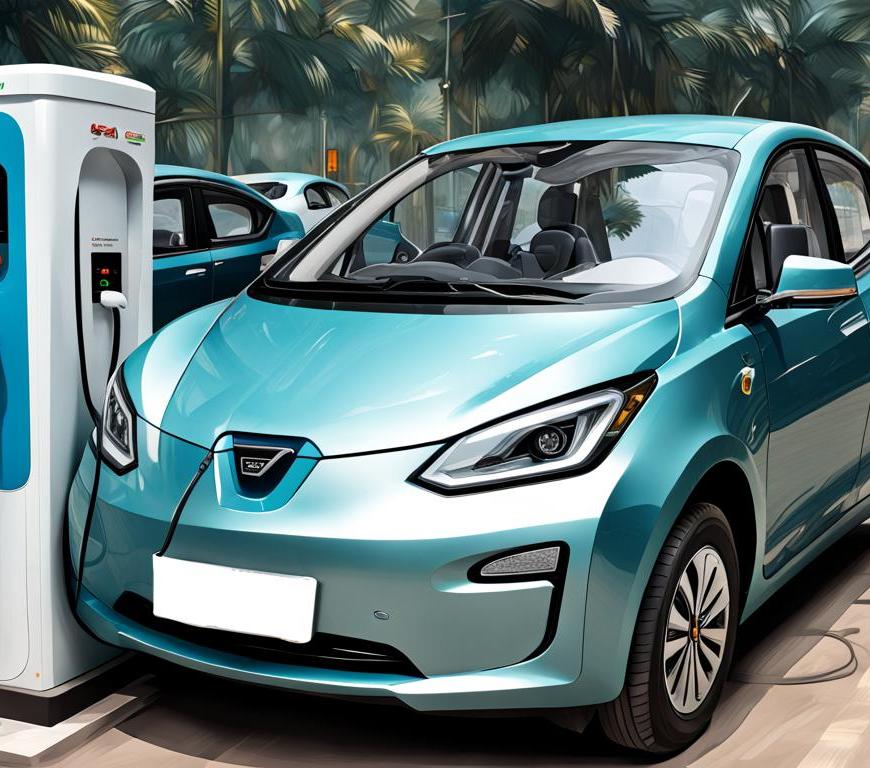
Government incentives for EVs – Discuss the federal and state level incentives and policies like the FAME scheme to promote EV adoption in India.

India is focused on achieving cleaner and greener mobility through the adoption of electric vehicles (EVs). Incentives and policies, including the FAME India Scheme and PLI Scheme, aim to support EV development and production. Continue reading Government incentives for EVs – Discuss the federal and state level incentives and policies like the FAME scheme to promote EV adoption in India.

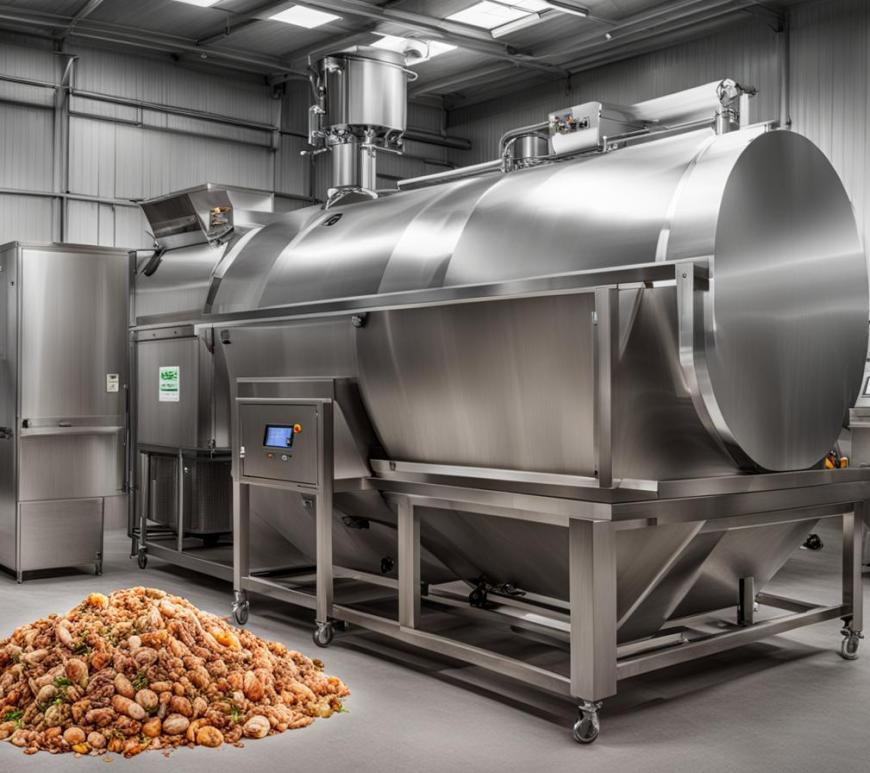
Where Food Wastes Are Headed in the Next Five Years?

Food waste is a critical global issue with environmental, economic, and social repercussions, yet it offers insights into consumption patterns and the development of predictive solutions. Winnow uses data analytics and AI to reduce commercial kitchen waste, while biotechnology repurposes waste into valuable products and increases crop yields, offering a sustainable approach to waste management. Continue reading Where Food Wastes Are Headed in the Next Five Years?

How technology can support reducing food waste by tracking and monitoring food supply chains?

Food waste, defined as the loss of food throughout the supply chain, poses significant challenges. From historical perspectives to modern-day implications, the evolution of food waste is explored. Approximately one-third of all food produced globally is wasted, affecting greenhouse gas emissions, resource conservation, food security, and nutrition. Continue reading How technology can support reducing food waste by tracking and monitoring food supply chains?

What is the importance of circular economy principles and the role of technology in reducing waste and promoting reuse and recycling?

The circular economy principles address challenges such as climate change, resource depletion, and environmental degradation. It focuses on eliminating waste and prolonging product use. Technology plays a critical role in this, optimizing resource use and enabling recovery and regeneration. Continue reading What is the importance of circular economy principles and the role of technology in reducing waste and promoting reuse and recycling?