

A recent study by Arthur D Little, titled ‘Unlocking India’s electric mobility potential’ estimates that more than 30% of vehicles in India will be electric by the year 2030. The study also highlights that by 2030 the EV industry will cross 10 million vehicles with an adoption rate of 30% across categories.
An optimistic electric vehicle adoption target has been set by the Indian government for 2030. The electric vehicles are expected to make up 30% of all auto sales by that year.
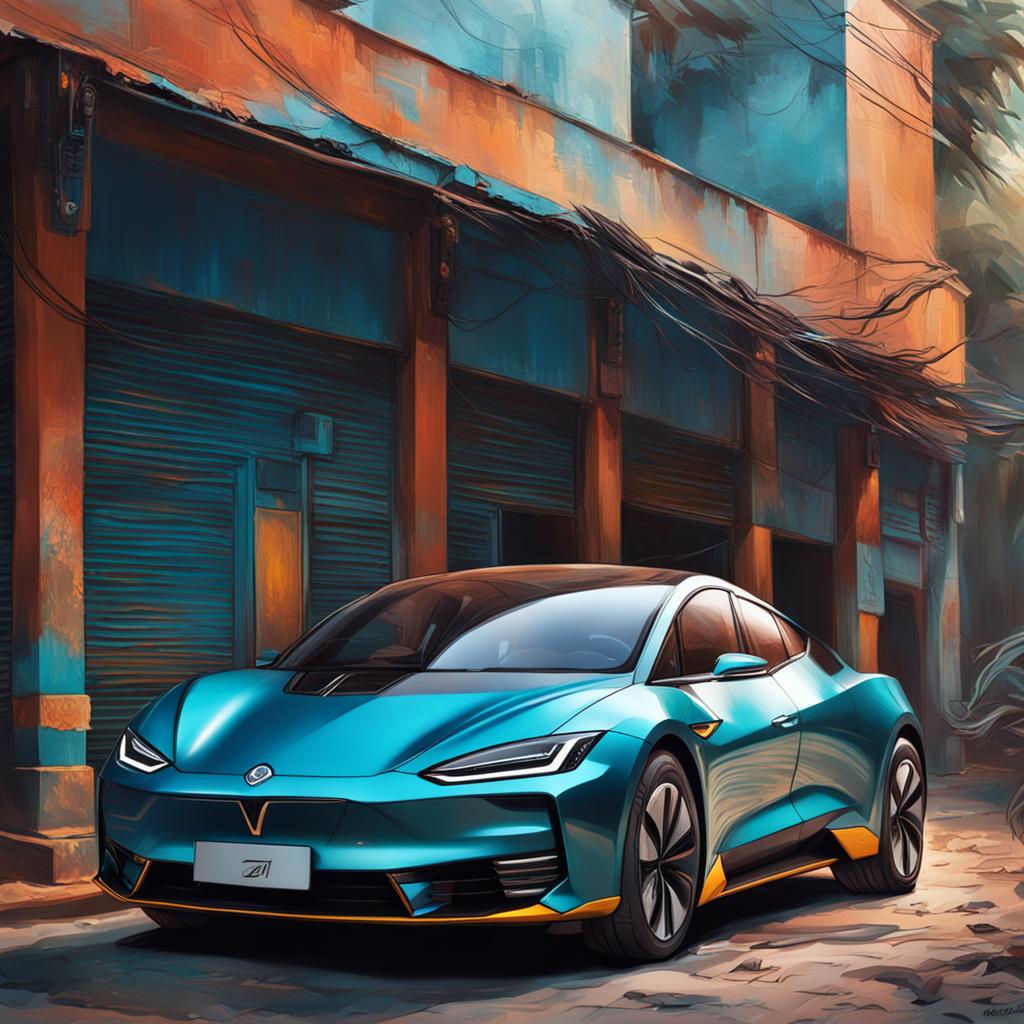
“As the world embraces electric vehicles, India is carving its path towards a cleaner and greener transportation landscape.”
According to sources, the Indian EV market is expected to grow significantly in this decade, driven by factors such as government policies, consumer preferences, technology advancements, and environmental awareness.
The key projections for the Indian EV market by 2030 are: –
- Report by Mordor Intelligence, the Indian EV market is expected to grow at a compound annual growth rate (CAGR) of 25.2% during the forecast period (2021 – 2026) and reach a value of USD 15.6 billion by 2026. The report estimates that by 2030, more than 30% of vehicles in India will be electric, with two-wheelers (E2Ws) accounting for 92% of the total EV sales, followed by private cars and three-wheelers (E3Ws).
- Report by NASSCOM, the Indian EV market is expected to grow at a CAGR of 30.8% during the forecast period (2019 – 2025), and reach a value of USD 16.06 billion by 2025. The report predicts that by 2030, India will have 10 million EVs on the road, with E2Ws and E3Ws dominating the market, followed by electric buses and electric cars.
- Economic Survey of India 2023, the Indian EV market is expected to grow at a CAGR of 49% between 2022 and 2030 and reach 10 million units of annual sales by 2030. The survey also projects that the EV industry will create 50 million direct and indirect jobs by 2030, and reduce carbon emissions by 450 million tonnes.
Why the growth of EVs is important for India?

“As charging infrastructure expands and awareness grows, the road ahead for electric vehicles in India looks promising.”
EVs, or electric vehicles run on electricity instead of fossil fuels. Enriching the benefits of EVs for India are: –
- Reducing greenhouse gas emissions and air pollution, are major environmental and health problems in India. According to a study by the International Council on Clean Transportation, EVs can reduce CO2 emissions by 37% and PM2.5 emissions by 50% compared to conventional vehicles by 2030.
- Saving foreign exchange and enhancing energy security, as India imports about 80% of its oil needs, which costs about $100 Bn per year. EVs can reduce India’s oil demand by 64% and oil import bill by 79% by 2030.
- Creating new jobs and industries, as EVs require different components and services than conventional vehicles, such as batteries, chargers, software, and maintenance. EVs can create 10 Mn direct and indirect jobs by 2030, and boost the GDP by $58 Bn.
- The mobility and accessibility of EVs can be offered as cheaper, faster, and more convenient transportation options for the masses, especially in rural and remote areas. EVs can enable smart and connected transportation systems, such as intelligent traffic management, ride-sharing, and autonomous driving.
According to a survey by McKinsey, 70% of tier-one Indian car consumers state that they’re willing to consider an electric car for their next vehicle.
Testimonials from EV owners in India enjoying their vehicles and making a positive impact on the planet are:-
- Amey Joshi, a Tata Nexon EV owner, said: “I haven’t been to a petrol station for 2 months. The car is very smooth and silent, and the performance is amazing. I also save a lot on maintenance and fuel costs.
- Rajesh Kumar, a Mahindra e2o owner, said: “I switched to an electric car because I wanted to reduce my carbon footprint and contribute to a cleaner environment. The vehicle never breaks down and there are a lot of charging points all around so I never run out of charge.”
- Priya Sharma, a Hyundai Kona Electric owner, said: “I love my electric car because it is very convenient and comfortable. I can charge it at home or work, and I don’t have to worry about pollution or noise. It also has a lot of features and technology that make driving fun and safe.”
Sources:- Inc42, Investindia, yourstory, theeconomictimes, mckinsey
 ledlights