
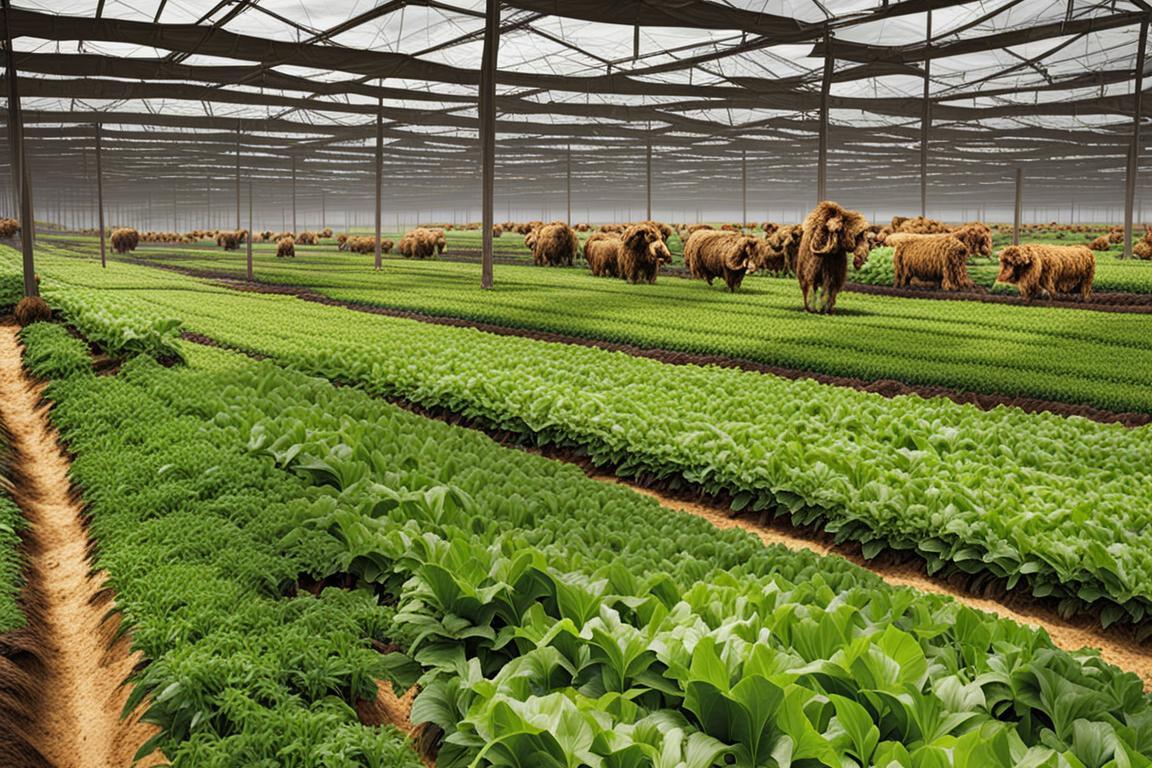
Let’s dive deeply into the meaning of sustainable agriculture and how it is important for us.
Sustainable agriculture means a paradigm shift towards practices that enhance food production, protect the environment, and conserve resources for future generations. To enhance the quest, connected technology is a powerful ally to reduce waste across the entire agriculture value chain.
The need to maintain the world’s growing population places immense pressure on agriculture, pushing for an increase in production while seeking greener practices. Hence a sport for sustainable agriculture to emerge as a beacon of hope, aiming to feed the world while conserving precious resources and minimizing environmental impact.
Sustainable agriculture is not just about organic farming. The priorities are:-
- Building fertile Soil health through crop rotation, cover crops, and minimal tillage to improve water retention and nutrient cycling.
- Water conservation to implement drip irrigation, rainwater harvesting, and precision agriculture techniques to optimize water use and minimize waste.
- Biodiversity promotes ecological balance by fostering beneficial insects, pollinators, and natural pest control methods to reduce reliance on harmful chemicals.
- Minimize energy consumption through resource efficiency, and renewable sources, reduce waste generation via efficient processing and upcycling, and maximize resource utilization through circular economy principles.
Innovative technologies are acting as a major improvement tool and act as a game changer in reducing waste and optimizing outcomes.
- Precision Agriculture: Embedded Sensors in fields, combined with aerial imagery and AI analysis, offering real-time data on soil moisture, nutrient levels, and crop health. It also empowers farmers to apply water and fertilizers only where and when needed, minimizing waste and enhancing yields. PWC study in 2020 estimates that precision agriculture can reduce fertilizer application by 10-20% while potentially boosting yields by 15-20%.
- Robotics and Automation: Autonomous drones are used to spray biopesticides to self-driving tractors planting seeds, and robots are used for transforming laborious tasks with precision and efficiency. It also reduces reliance on manual labor, minimizes fuel consumption, and decreases pesticide overuse. As per a report by Allied Market Research forecasts the global agriculture robotics markets, will reach $5.4 billion by 2030, indicating rapid adoption.
- Vertical Farming: Crops are cultivated in controlled indoor environments, utilizing hydroponics, or aeroponics, minimizing water usage, avoiding pesticides, and reducing transportation emissions. A 2022 study in Nature Food projected that urban vertical farms could offer 250-350% higher yields compared to traditional farms.
- Food Waste Reduction: AI-powered sorting system maximizing efficiency at processing facilities to apps connecting distributors with surplus food to shelters, technology is used for tackling food waste at all stages. The World Resources Institute estimates the food waste reduction by 50% could feed 2.4 billion people, highlighting the immense potential.
The farmers can access and interpret vital data via robust infrastructure, affordable sensors, and advanced analytics platforms. Blockchain technology also creates transparent supply chains, ensuring ethical sourcing and effective waste reduction strategies.
Access to technology, affordability, and digital literacy gaps hinder widespread adoption, particularly in developing nations.
Let’s analyze the real-life case studies:-
- Smart Technology in Sustainable Agriculture in Wangree Plant Factory. It describes how a plant factory in Thailand uses smart technologies, such as sensors, controllers, actuators, artificial lighting, and hydroponics, to produce high-quality and safe vegetables in a controlled and efficient environment. The plant factory uses 90% less water, 80% less fertilizer, and 70% less pesticides than conventional farming, and produces 12 crops per year, compared to 2-3 crops per year in traditional farming. The plant factory improves the working conditions and income of the farmers and reduces the transportation and storage costs and emissions of the products.
- One of the esteemed projects in India uses precision agriculture to improve the yield and quality of sugarcane by using satellite imagery, soil testing, and variable rate fertilizer application. The project resulted in a 10% increase in yield, a 20% reduction in fertilizer use, and a 30% reduction in water use.
- In Singapore, Sky Greens developed a vertical farming system that uses rotating tiers of growing trays, powered by gravity and solar energy, to grow leafy vegetables. The system also uses 95% less water, 75% less land, and 40% less electricity than conventional farming, and produces 10 times more yield per unit area.
- A biotechnology project in Kenya is developing a variety of bananas that is resistant to banana bacterial wilt, a disease-causing up to 100% crop loss. The project also uses tissue culture techniques to produce disease-free planting materials for the farmers. The project resulted in a 205 increase in yield, a 50% reduction in pesticide use, and a 60% increase in income for the farmers.
Technology also needs to be integrated with the traditional and indigenous knowledge and practices of the farmers, respecting the diversity and complexity of the agricultural systems.
Important facts to know:-
- 1/3 of all food produced globally is wasted, amounting to a staggering 1.3 billion tons per year (FAO, 2011).
- 50% of the yields can be increased by sustainable agriculture practices by 2050, feeding an additional 2 billion people (World Resources Institute).
- Water usage can be reduced by precision agriculture by 30% and fertilizer can be used by 40%. (McKinsey & Company, 2019).
- The global market for agricultural IoT is expected to reach $16.8 billion by 2025. (MarketsandMarkets, 2020).
Well, as we can see, the analysis of the situation provides a scenario that investments in sustainable agriculture and connecting the power of technology can cultivate a future where waste is minimized, resources are cherished, and our planet thrives. The embracing of paradigm shift and nourishing it provide a better planet for future generations to come.
Sources:- Grist, LexisNexis, fao, Mckinsey, Maryville university, ibef, justagriculture, weforum, mdpi
FAQs
Q: What is sustainable agriculture?
A: Sustainable agriculture aims to meet current food production needs without compromising the ability of future generations to meet their own needs. It focuses on environmentally friendly practices that conserve resources, maintain soil health, and promote biodiversity.
Q: Why is sustainable agriculture important?
A: It is crucial for several reasons:
Combating climate change: Unsustainable agriculture practices contribute to greenhouse gas emissions and environmental degradation.
Preserving natural resources: Sustainable practices conserve soil and water resources, minimizing depletion and pollution.
Ensuring food security: It promotes long-term food production by protecting soil fertility and fostering healthy ecosystems.
Improving food quality: Sustainable practices often lead to healthier and more nutritious food production.
Q: How can technology help reduce waste and increase yield in sustainable agriculture?
A: Technology plays a crucial role in various aspects:
Precision agriculture: Sensors and data analysis optimize resource use like water and fertilizer, minimizing waste and maximizing efficiency.
Robotics and automation: Automating tasks like planting, harvesting, and weed control can improve efficiency and reduce reliance on manual labor.
Advanced breeding and gene editing: Developing crop varieties resistant to pests and diseases can minimize losses and improve yields.
Digital farming platforms: These platforms connect farmers with data, resources, and market access, empowering informed decision-making.
Q: What specific technologies are currently used for reducing waste and increasing yield?
A: Examples include:
Drone-based imaging: Monitors crop health and detects potential problems early, minimizing losses.
Smart irrigation systems: Deliver water based on real-time needs, reducing waste and water usage.
Blockchain technology: Ensures transparency and traceability in food supply chains, reducing food waste and fraud.
Q: What are some challenges in implementing these technologies?
A: Challenges include:
Cost and access: Implementing advanced technologies can be expensive, especially for small farmers.
Digital literacy: Farmers may need training and support to fully utilize technology.
Data privacy concerns: Secure data management and protection are crucial.
 ledlights