

IoT powers the metaverse
As we delve deeper, IoT has become one of the most important technical terms, along with the metaverse. IoT stands for the Internet of Things, while the metaverse is defined as the collective virtual shared space that combines augmented reality (AR) and virtual reality (VR) experiences.
This collective shared experience of space, using AR and VR technology, creates a digital universe where users can interact, create, and explore through virtual lenses. Highly advanced technologies such as VR, AI, and cloud computing are leveraged in the metaverse to build immersive digital landscapes.
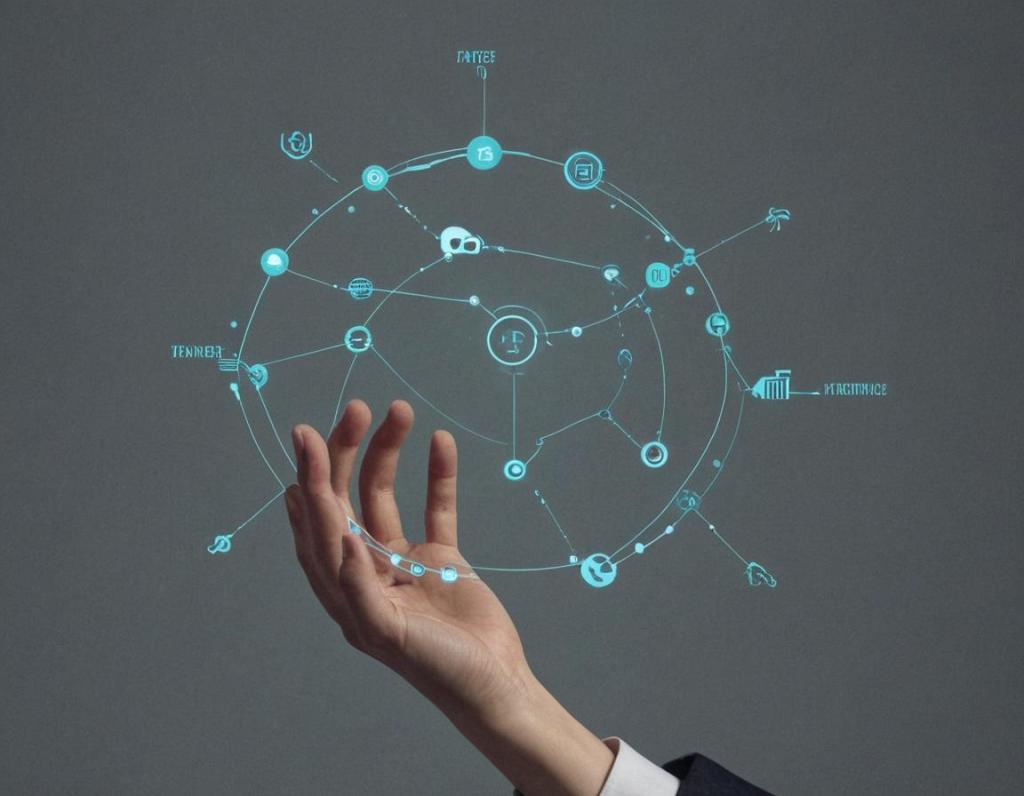
According to metaverseofthing, “ Spanning virtual reality, augmented reality, and the internet, the metaverse blurs the line between real and virtual worlds. It hosts much user-generated content, commerce, entertainment, and communication, redefining how we interact, collaborate, and experience digital realms.”
The theme of IoT powering the metaverse means that data collected via IoT devices is used in AR and VR applications.
For example, VR applications like Google Earth have been enhanced with real-time data from IoT devices, creating a live, active experience. IoT devices, such as asset tracking or shipping tools, can also be experienced in 3D VR applications.
Although this experience is quite advanced, there are concerns about safety and security. The primary issue is the security and use of data collected through these platforms. Addressing “security” is crucial, not creating mass protests to ban the technology.

As technology continues to develop with more innovative ideas and concepts, it becomes more advanced and widely used. However, ensuring the security of personal information and mitigating hacking threats remain major concerns that require serious attention for any real-time virtual experience.
How IoT is playing an important role in the Metaverse?
Real-time IoT devices will bridge the virtual and physical realms, intertwining physical objects with a digital presence within the metaverse.
How about the weather forecasting apps in the VR? Imagine weather forecasting apps in VR, where you can experience real humidity, temperature, and rain forecasts in a three-dimensional virtual space.
Why IoT is beneficial?
One of the important things highlighted in the article by Metaverse,
IoT devices enrich the user experience by bridging the physical and digital realms in the metaverse. Real-time data exchange leads to accurate outputs, while user actions and preferences control virtual avatars and provide real-time sensory feedback, blurring the lines between reality and simulation.
AI-generated images and videos are increasingly reaching realism. The goal of AI technology is to create the most realistic world imaginable. Similarly, art and documentary creators strive to produce the most realistic versions of end products possible.
Leonardo da Vinci’s Mona Lisa painting aimed to blur the line between fantasy and real life. Similarly, today’s tech innovators target the same goal of merging the virtual and real worlds.
Use cases
Most Marvel movies, especially the Iron Man series, showcase IoT devices integrated into the metaverse, leading to the creation of a smart virtual office environment. In this setting, IoT-connected sensors adjust lighting, temperature, and virtual objects based on real-time data.
During the COVID-19 pandemic, students faced challenges due to school closures and concerns about missing classroom experiences. Instead of relying on Skype or Zoom calls, a virtual smart classroom could offer a better solution. This environment, controlled remotely, would effectively manage students and address the crisis differently.
However, the sectors that could truly unleash the power of IoT and the metaverse are entertainment and gaming. The virtual gaming environment and entertainment industries provide a real-time atmosphere for the intersection of IoT devices with the metaverse.
Sources:- metaverseofthing, technologymagazine, IEEE explore
 ledlights