
In the PC sector, various sorts of standards were used for peripheral device connection to computers such as the serial and parallel interface, as well as PS/2.
What is a Universal Serial Bus?
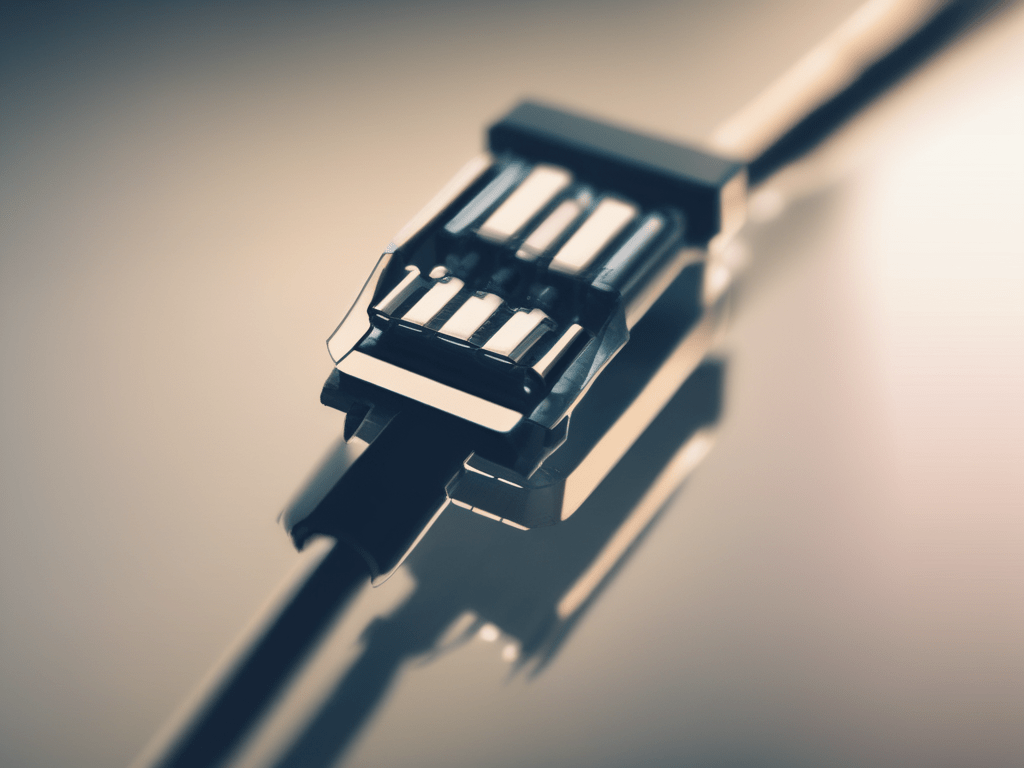
USB, the Universal Serial Bus, is an interface for the standardized connection of peripheral devices to computers.
The devices that are connected to interfaces are assigned specific system resources, and typically only one device can be connected per interface. Due to the lack of insufficient interfaces, expansion cards were installed with different types of devices that required different connectors.
Also, a necessary step was required with the connection of new devices, it was needed for restarting the entire system.
The USB introduction eliminated the disadvantages and led to a continuously evolving nature for higher data transfer rates, making USB the replacement for most other peripheral device interfaces today.
A master/slave architecture is followed by USB, with 127 devices that can be slaves connected to a central host, the master, in a multi-tiered star topology. The achievement of multi-tiering through hubs, allows the connection of multiple devices, with a maximum of six hubs being able to be cascaded.
How USB works?
Each of the USB devices are with one or more endpoints, for the host to establish independent communication connections.
Usually, in USB, endpoints can support unidirectional or bidirectional communication with an operation in one of four transfer modes:
- Isochronous transfers are used for connections with a guaranteed data rate,
- Interrupt transfer used in periodic polling of devices,
- Bulk transfer in large and non-time-critical data volumes, and
- Controlling transfer is used in the exchange of configuration data.
In the case of the endpoints, the exact configuration is determined by the respective USB device. USB with plug-and-play capability is based on the internal bus automatic configuration on the hardware side with a uniform functional interface for specific device classes on the software side.
How can the device be detected?
Electric detection of the network nodes is one of the similar procedures and also the negotiation of the speed class is defined in the Ethernet standard under the term auto-negotiation. Another important feature of USB is automatically informing the host about the connection or removal of a device.
Comparison with real-time Ethernets
USB is based on centrally conducted time-slot-based resource allocation. In comparison to RTEs use the time parameters for processing data exchange set by the user, USB uses different information sources for scheduling purposes.
The USB principle transferred to automation technology is only based on the requirements of field devices reading it from their device description files, where all cyclically transmitted data are described in the form of output and input parameters.
Sources:- Springer
 ledlights