
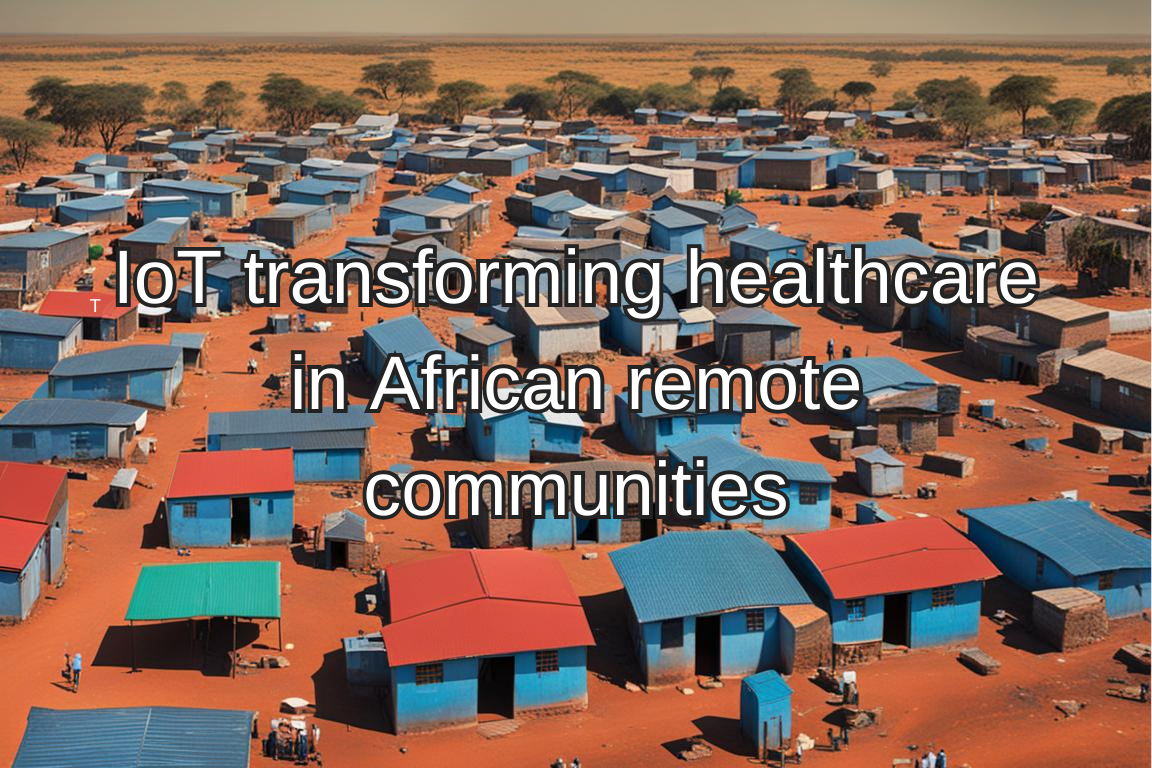
IoT & healthcare in remote Africa
Can IoT do a magical revolutionary change in healthcare facilities in remote African communities with innovative solutions for standing long challenges in access, quality, and efficiency of medical services?
The connected devices, sensors, and data analytics are used to enable healthcare providers to overcome geographical barriers with resource constraints and infrastructural limitations.
The various ways for healthcare to be transformed by IoT in African remote communities: –
- Remote Patient Monitoring
IoT in African healthcare is significantly impacted by the ability to monitor patients remotely where healthcare facilities are limited or even require long-distance commuting.
For example, in Rwanda, the government partnered with Babyl, a digital healthcare provider, to implement a telemedicine system using IoT-enabled devices. The vital signs of the patients are checked in remote areas with connected devices, and the data is transmitted and received by healthcare professionals for analysis and advice.
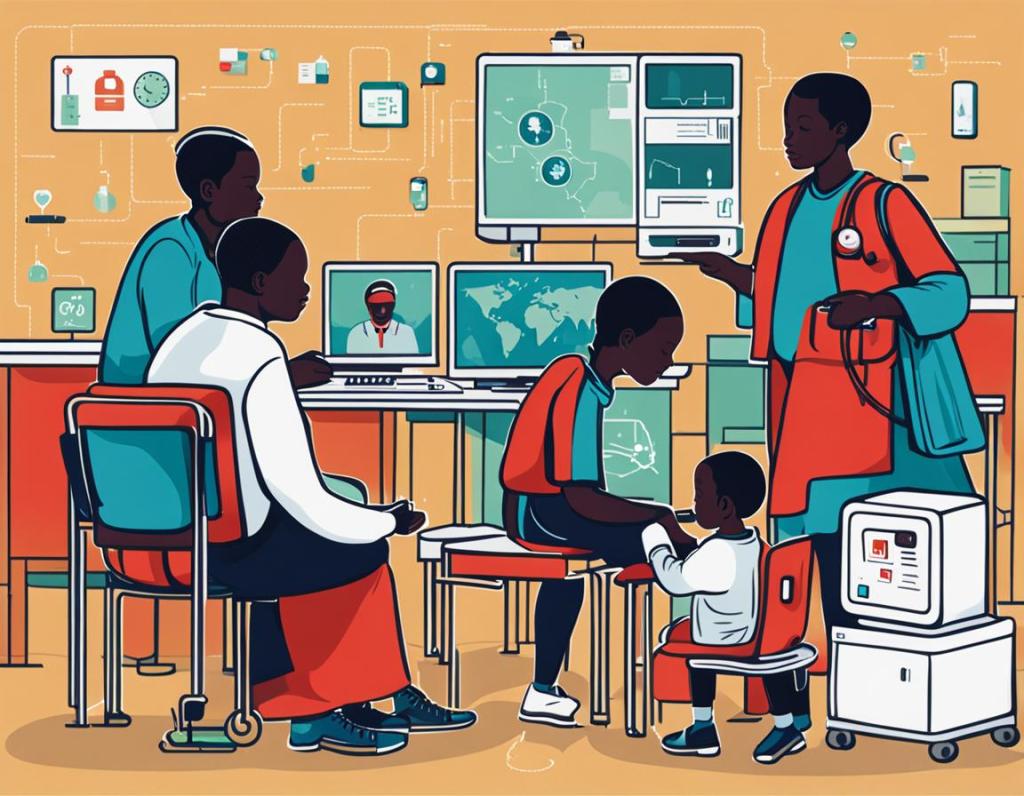
In-person visits are also reduced by the system by up to 40% in certain regions, saving time and resources for both patients and healthcare providers.
Healthcare professionals are addressing the concerns with huge changes in vital signs, leading to early detection and also providing better management in cases of chronic conditions and the prevention of acute episodes.
The scalability of IoT-driven telemedicine with different models to enhance healthcare systems.
2. Supply Chain Management
Medical supplies and vaccines are transformed with IoT, which can be managed and distributed throughout Africa with remote access to essential healthcare products.
One such example is in Ghana, where Logistimo is implementing an IoT-based vaccine supply chain management system. The temperature sensors and GPS tracking are used in the system for monitoring vaccine storage conditions and locations in real time.
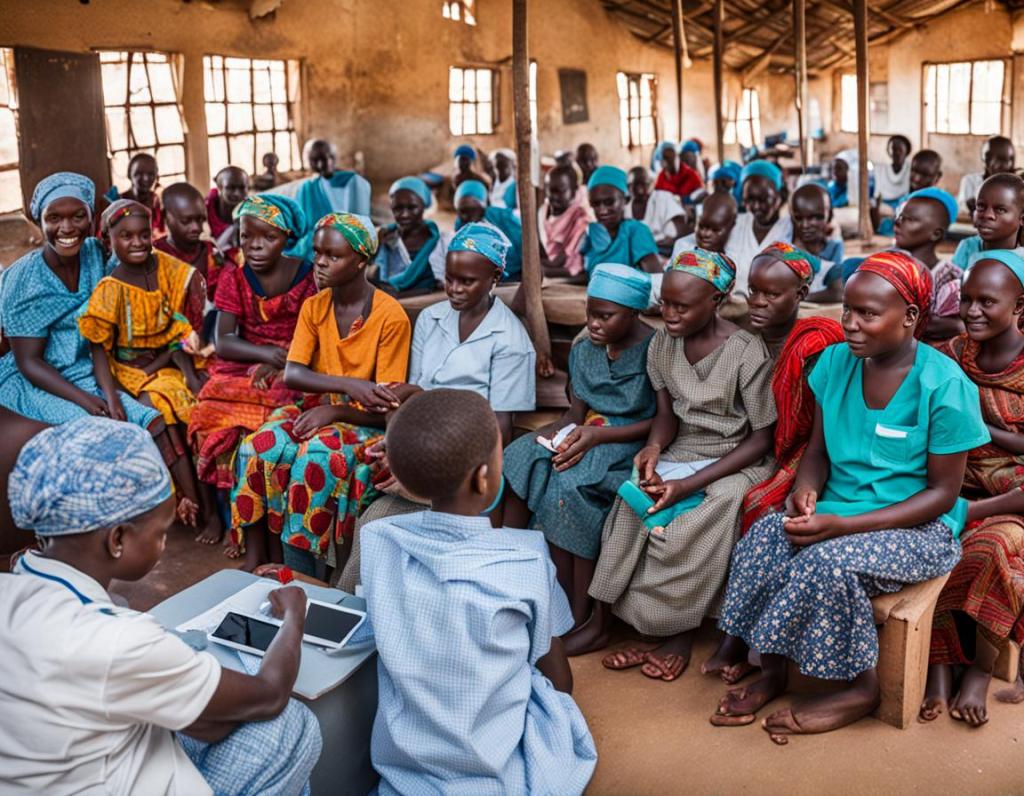
Around 30% of the vaccine waste has been reduced by 30%, with stock-outs decreasing by 50% in participating regions.
Logistimo supply chain units also provide cold chain vehicles with temperature-controlled compartments.
3. Disease Surveillance and Outbreak Prevention
The disease surveillance capabilities are enhanced with IoT technologies to enable faster detection and potential outbreaks in remote areas.
Uganda is one such example with the mTrac system, using mobile phones and IoT sensors for collecting and analyzing data on disease prevalence and medical supply levels.
The information based on real-time data allows health officials to identify and respond to potential outbreaks more quickly, with reporting rates ranging from 36% to 85% in some districts.
mTrac is also a groundbreaking initiative led by the Ugandan Ministry of Health, UNICEF, and the World Health Organization (WHO), making waves in the digital health realm.
The health facility workers are empowered by mTrac to submit routine and weekly health surveillance data via SMS using basic mobile phones.
4. Maternal and Child Health Monitoring
One of the crucial roles played by IoT devices is to improve maternal and child health outcomes in remote African communities.
Tanzania is one example; the Safer Deliveries program uses wearable IoT devices for monitoring pregnant women’s vital signs and fetal health.
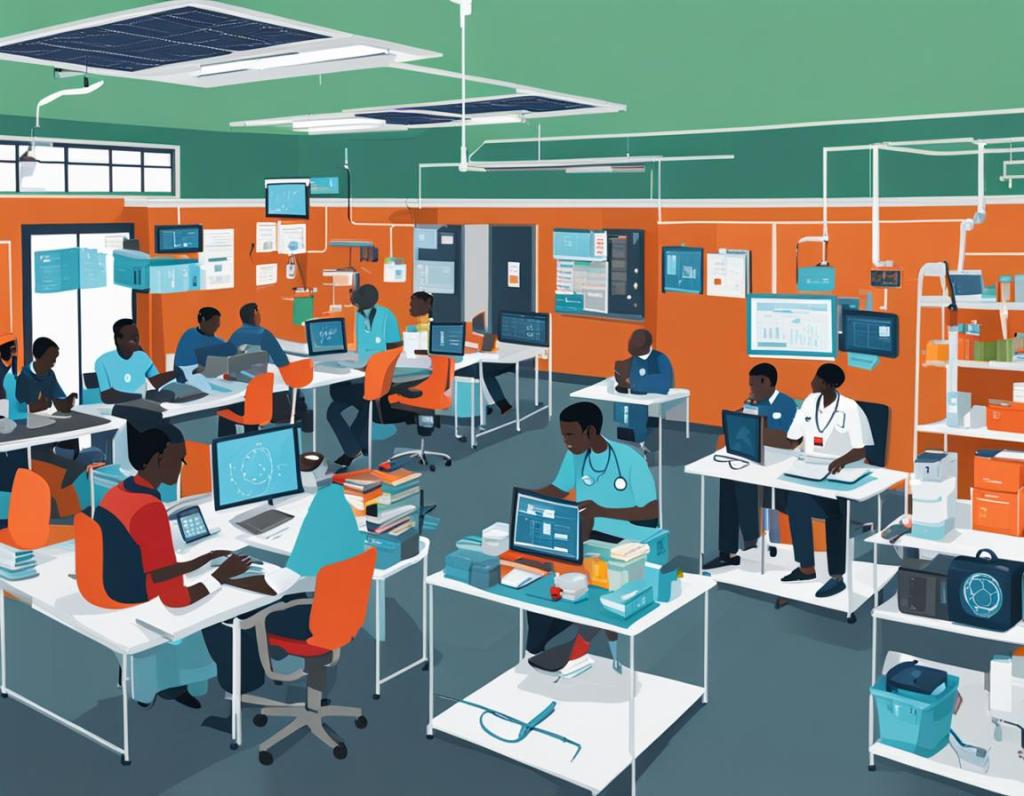
Data is also transmitted to healthcare providers if complications are detected, with initiatives contributing to a 27% reduction in maternal mortality rates in participating regions.
5. Portable Diagnostic Tools
Portable diagnostic devices are enabled by IoT devices that use advanced medical testing capabilities in remote areas, and the need for patients to travel long distances for diagnoses is reduced.
Malawi is one example. Fio Corporation also deployed the Deki Reader, an IoT-enabled portable device, to perform rapid diagnostic tests for malaria, HIV, and other diseases.
The device automatically interprets the test results and transmits the data to a central health information system. The technology supports and improves diagnostic accuracy by 30% and reduces treatment delays in remote clinics.
6. Telemedicine and Remote Consultations
Remote consultations are enabled by IoT devices between patients in rural areas and specialists in urban centers. Telemedicine is the is the best support for bridging the gap in expertise.
Kenya is one such example; the AMREF Telemedicine Project uses IoT-connected devices that facilitate remote consultations between rural health workers and specialists in Nairobi.
The system also increased access to specialized care for over 200,000 people in remote areas and reduced unnecessary referrals by 60%.
7. Medical Equipment Maintenance
The status and performance of medical equipment are monitored by the use of IoT sensors in remote healthcare facilities to ensure timely maintenance and reduce downtime.
Senegal is one such example; Neopanda implemented an IoT-based system for monitoring neonatal care equipment in rural hospitals. The equipment performance is tracked by the system to send alerts with maintenance needed, resulting in a 40% reduction in equipment downtime. It also improves neonatal care outcomes.
8. Healthcare Worker Training and Support
The training and support are enhanced with IoT technologies for providing the needed support to health workers in remote areas and improving the quality of care delivered.
The Last Mile Health Organization in Ethiopia uses IoT-enabled tablets and mobile devices to provide ongoing training and decision support to community health workers. The diagnostic accuracy is also improved by the system by 25%, and adherence to the protocol to the protocol is also increased by 35% among the participating health workers.
Sources: GSMA, World Health Organization, UNICEF Uganda mTrac, Vodafone Foundation, Research gate, AMREF Health Africa UK, Last Mile Health
 ledlights