
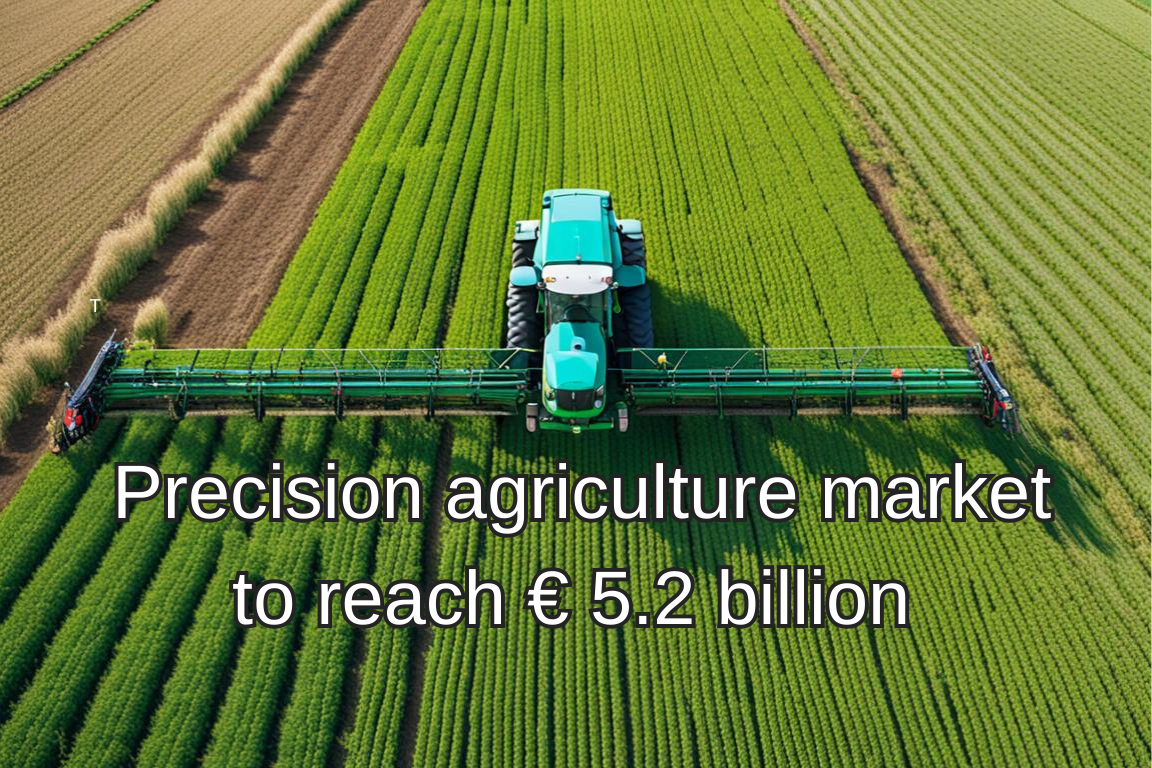
How did precision agriculture market technology come into existence? Why is precision technology important, and who discovered precision agriculture market technology?
Dr. Pierre Robert is the “father of precision agriculture” technology. He is known for his groundbreaking research on soil variability and variable-rate fertilizer application.
The wholesome project laid the foundation for precision agriculture technologies such as GPS-guided equipment and variable rate technology (VRT).
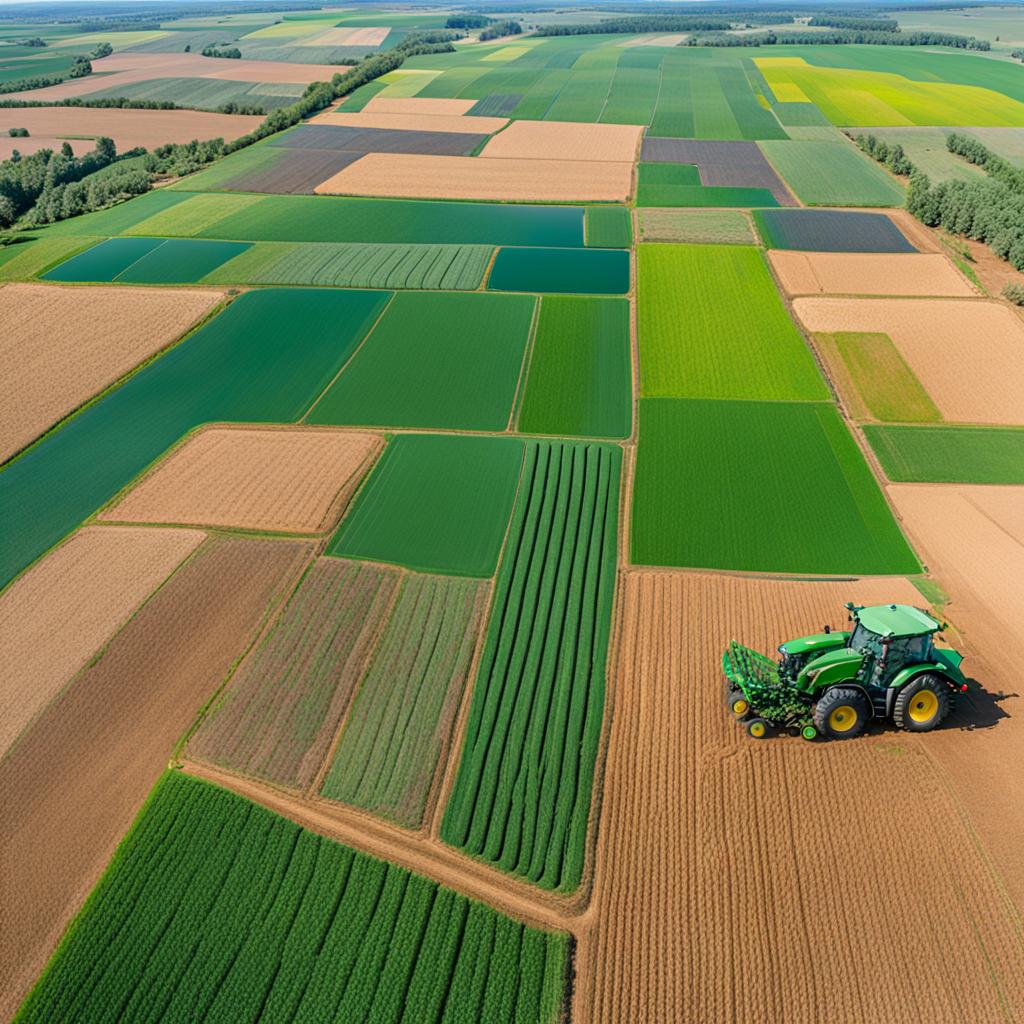
In the 1990s, the precision agriculture market was reshaped with the adoption of GPS technology, allowing farmers to gather data and steer their equipment with high accuracy.
What is Precision Agriculture market technology?
According to a recent market report, the precision agriculture market is expected to reach €5.2 billion worldwide by 2027, growing at a compound annual growth rate (CAGR) of 12.1% during the forecast period.
Precision agriculture is also known as precision farming. The technique uses advanced technology and data analysis in an agricultural practice to optimize crop yields, reduce waste, and minimize environmental impact.
The advanced use of Precision agriculture in a data-driven approach to farming such as:-
- Satellite Imaging: The images from the satellite are used in monitoring crop health, detecting diseases, and identifying stress areas.
- Drones: The high-resolution images of crops, detecting pests and diseases, and also monitoring soil moisture by Unmanned aerial vehicles (UAVs) or drones.
- GPS and Autosteerig: The farmers are enabled by the technology to automate crop management tasks such as planting, spraying, and harvesting.
- Sensors and IoT: Technologies such as Sensors and the Internet of Things are prominently used for monitoring soil temperature, moisture, and nutrient levels, as well as crop growth and yield.
- Artificial Intelligence (AI) and Machine Learning (ML): Data analysis is done from various sources such as AI and ML algorithms to predict crop yields, and identify the areas of improvement.
- Precision Irrigation: The tech systems use sensors and data analysis to optimize water usage and reduce waste.
- Soil Monitoring: The system also uses sensors for tracking soil moisture, temperature, and nutrient levels, enabling farmers for informed decisions about fertilizer application and irrigation.
The key players in the Precision Agriculture Market Technology
- John Deere is one of the leading manufacturers of precision agriculture equipment and software.
- Granular is also a provider of precision agriculture software and services.
- FarmWise is the provider of autonomous farming equipment and software.
- Trimble is a provider of precision agriculture equipment and software.
- Agco is one of the leading manufacturers of precision agriculture equipment and software.
The Key Challenges in the Precision Agriculture Market
- High Initial Cost: Technologies are always facing cost issues and the price of drones, sensors, and IoT devices are really expensive, and it’s difficult to adopt them for small-scale farmers
- Data Integration and Analysis: A vast amount of data is generated from the precision agriculture market to integrate and analyze. A task that is not so easy for farmers or non-specialized companies in the precision agriculture market.
- Limited Infrastructure: Developing countries need the required support for precision agriculture with reliable internet connectivity and power supply.
- Cybersecurity risks: The market is also vulnerable to cybersecurity risks, especially with the increasing use of IoT devices and data analytics.
- Regulatory Framework: The framework is still evolving with companies facing challenges to navigate the tougher regulations.
- Public acceptance: Lack of knowledge, skill sets, and concerns about data ownership and control leading farmers and consumers to be hesitant in adopting precision agricultural technologies.
- Skill Gap: Specialized skills and knowledge are challenging for farmers and companies to acquire.
Hence, we can see that the sector has a lot of potential to address these challenges, such as reducing costs, developing user-friendly interfaces, and also finding ways to impart or share knowledge with the farmers in the easiest way, such as using local languages.
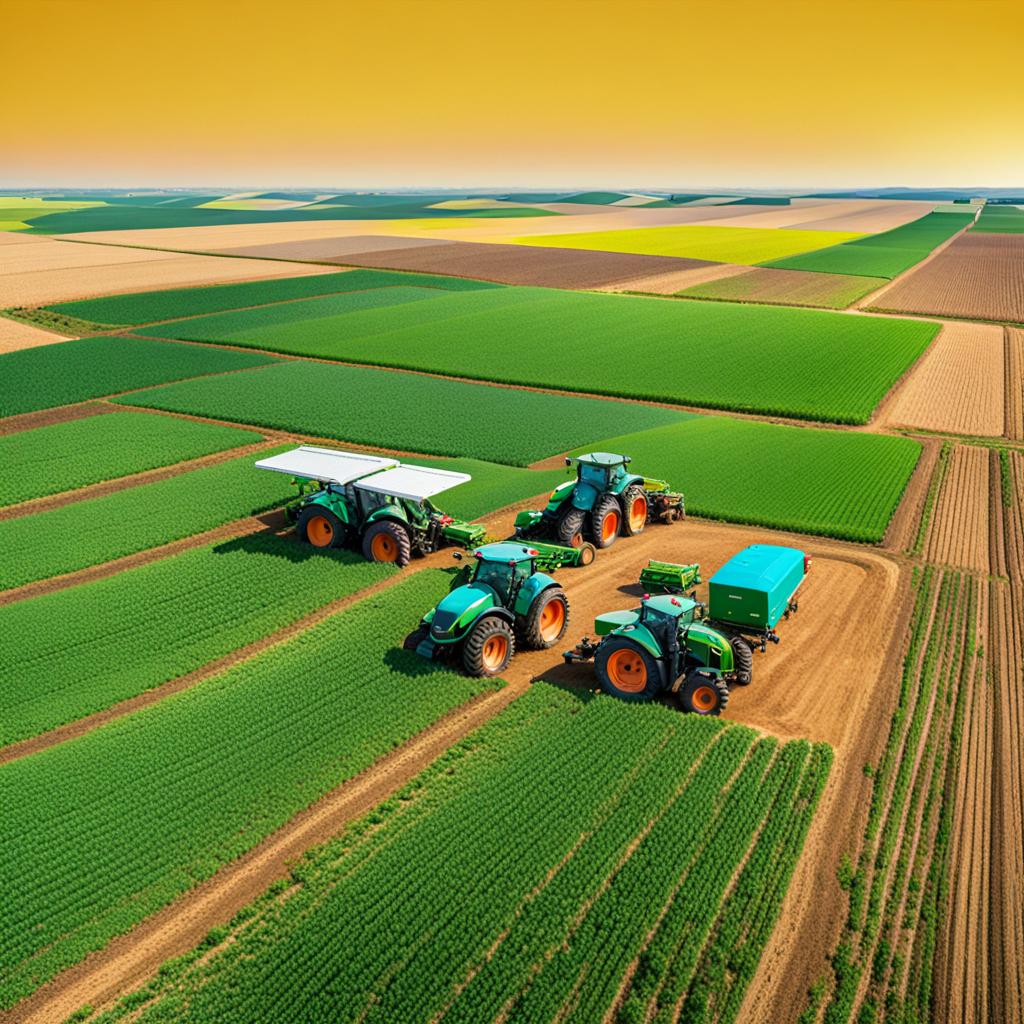
Training and support are the most important needs for farmers to understand the issues of precision technology and take advantage of it.
Factors for Precision agriculture market technology
The several factors for precision farming technology gaining significant attention are:-
- The global prediction population is expected to reach 9.7 billion by 2050 due to an increase in food demand, leading to a significant increase in food demand. Crop yields, waste reduction, and food security are also optimized.
- Some of the significant contributors to agriculture are greenhouse gas emissions, deforestation, and water pollution, which reduce the environmental impact of agriculture by optimizing resource use and minimizing waste.
- Satellite imaging, drones, IoT sensors, and AI lead to advances in technology and make it possible to collect and analyze large amounts of data for more informed decisions.
- Support the government around the world by promoting precision agriculture, a way to improve food security, reduce environmental impact, and also increase economic growth.
- Private companies are also heavily investing in precision agriculture, driving innovation and adoption.
If we look in-depth, precision agriculture technology supports farmers in reducing their environmental impact by conserving natural resources and minimizing waste, either by upcycling or recycling.
The area of focus is also to provide farmers with accurate and timely data so that they can make better-informed decisions about crop management.
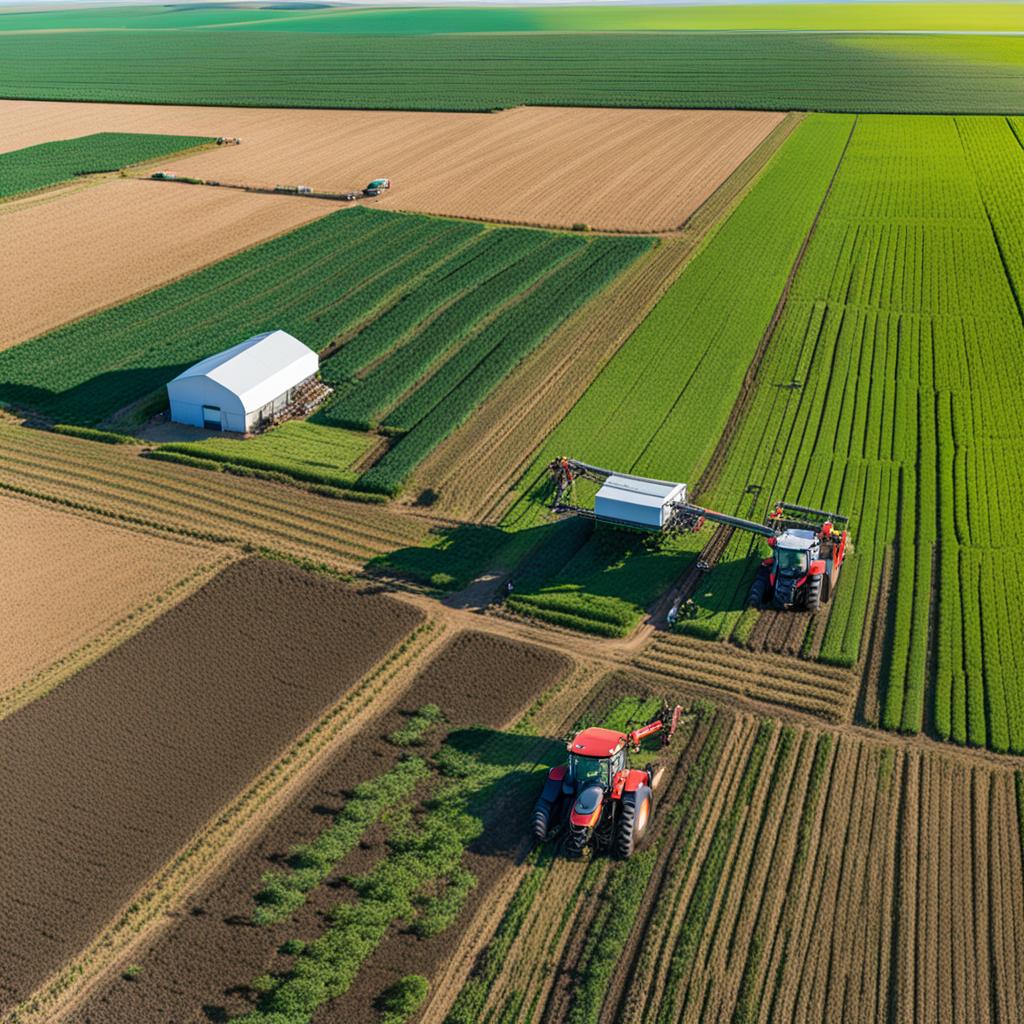
Agriculture is one of the core areas of growth in India, and the sector is a blessing in disguise for the advancement of technology.
With the proper knowledge and awareness, as well as interest from high-tech colleges, institutes, and companies, the field can be revolutionized for a better and more healthy growth of life.
Sources:- FB, ispag, nasdaq, PTx Trimble, mdpi
 ledlights