

Is there are any importance of commercialization of HEVs?
In the market of electric vehicles, HEVs are somehow dominating the market due to the lack of charging infrastructure, raising the issue of trust in long journeys.
What are Hybrid Electric Vehicles (HEVs)?
Hybrid electric vehicles are a combination of conventional internal combustion engines with an electric motor and a battery pack.
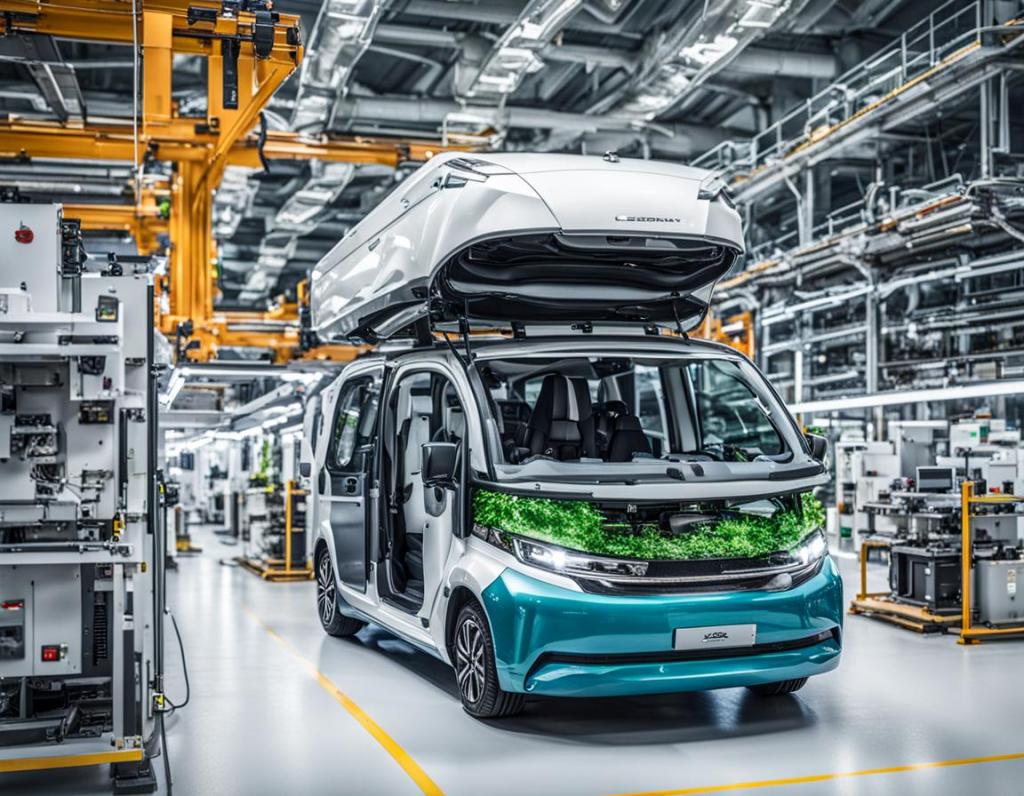
The engine is also assisted by an electric motor during acceleration and braking, reducing fuel consumption and emissions. The electric motor is also powered at low speeds, and the engine takes over at higher speeds. Fuel efficiency is also improved by reducing emissions and enhancing performance in HEVs.
The advancement in HEV Technology:-
- Plug-in Hybrid Electric Vehicles (PHEVs): An external power source is used in the PHEVs that allows drivers to use the electric power for longer periods.
- 48V Mild Hybrid Systems: The improvement of fuel efficiency and the reduction in emissions are possible with a higher voltage that is used rather than traditional 12V systems to turn on features like start-stop technology and regenerative braking.
- Advanced Battery Technologies: lithium-ion batteries with improved energy density and lifespan, developing the enhancement of HEV performance and efficiency.
- Electric Motor Innovations: Electric motor design and materials are advancing for more efficient and compact motors to turn on the improvement of fuel economy and reduce emissions.
- Regenerative Braking: The kinetic energy can be captured with an improved regenerative braking system to convert it into electric energy. It leads to reduced wear on brake pads and also improves overall efficiency.
- Vehicle-to-Grid (V2G) Technology: HEVs are enabled with V2G technology as an energy storage device to feed electricity back into the grid when not in use. The stabilization of the grid is also supported by more revenue streams for vehicle owners.
- Advanced Power Electronics: Silicon carbide (SiC) and gallium nitride (GaN) devices are the new power electronics components to improve efficiency, reduce weight, and increase power density to turn on more efficiency with compact HEV powertrains.
- Machine learning and AI: HEV systems are optimized for performance, reducing emissions, and improving the driver experience with machine learning and AI algorithms.
- Lightweight Materials: Carbon fiber and aluminum are some of the well-known lightweight materials to reduce HEV weight, improving fuel efficiency and also enhancing overall performance.
- Widespread Adoption of HEVs: Automakers are adopting more advanced HEV technology with HEV powertrains, making them more accessible and affordable for consumers.
What is the importance of the Commercialization of HEVs?
The commercialization of HEVs is important for several reasons:
- Environmental Benefits: Fewer emissions are produced with HEVs and they consume less fuel than traditional gasoline-powered vehicles, contributing to greenhouse gas emissions reductions as well as air pollution.
- Energy Security: A variety of energy sources power HEVs, like electricity from renewable sources, reducing dependency on fossil fuels and enhancing energy security.
- Economic Benefits: Consumers can save money on fuel costs, reducing maintenance expenses and giving them a competitive advantage in the market.
- Technological Advancements: Innovation and investment in related technologies are driven by the commercialization of HEVs, like advanced battery systems, electric motors, and energy storage solutions.
Are there any major benefits to consumers from the commercialization of HEVs? Well, in the end, consumers are the real partners of any HEV company with their investments. So, let’s see, are there any major benefits for consumers?
- Fuel Savings: The fuel economy can be achieved up to 50% better with HEVs than traditional gasoline-powered vehicles. It also saves consumers money on fuel costs.
- Lower Emissions: The negative impact on air quality and the environment can be reduced with fewer emissions from HEVs.
- Improved Performance: Acceleration and responsiveness are improved by HEVs for a more enjoyable driving experience.
- Reduced maintenance: Moving parts, especially the so-called traditional engine system, are completely different, reducing maintenance costs by extending the lifespan of the vehicle.
- Government Incentives: Tax credits or rebates are high to make adopting the HEVs more convenient.
Examples of the Latest HEV Models:
- The Toyota Prius Prime wasintroduced in 2017.
- The Honda Clarity Hybrid was introduced in 2017.
- The Hyundai Ioniq Hybrid was introduced in 2017.
- The Ford Fusion Hybrid was introduced in 2019.
- The Kia Niro Hybrid was introduced in 2019.
Sources:- National Highway Traffic Safety Administration (NHTSA), EPA, IEA, Boston Consulting Group, McKinsey & Company
 ledlights