
Electrifying the Last Mile
Can Suzuki, Daihatsu, and Toyota join forces to revolutionize last-mile logistics with electric vans and change the traditional journey of Japan into revolutionizing logistics with modern supplies to meet the end and satisfy the need?
How about a bustling city in Japan with narrow streets and compact neighborhoods as a norm and you have traditional delivery trucks who need to deliver their products on time while navigating these areas.
Well, we can say delays are the norm to be a cause and also increase the emissions. The new battery-electric small vans were entered by Suzuki, Daihatsu, and Toyota.

E-commerce is not anymore just a buzzword or something that people are still thinking about launching but a major integral or our daily part of our daily lives. Whether it is 10 10-minute delivery scheme, prime delivery, or in 2 days, we need e-commerce services and more than that are the last-minute delivery units and the helpers who are actively working 24/7 to meet our needs.
The tightest of spaces, or narrow roads and trails are covered by these nimble vehicles to deliver packages efficiently and quietly.
The real-world conditions and scenario are tested in Fukushima Prefecture and Tokyo where the vans are tested with positive differences such as less noise, cleaner air, and faster deliveries. The local benefits are also goods for the vans to be able to reach them more easily and ensure a timely restocking of goods.
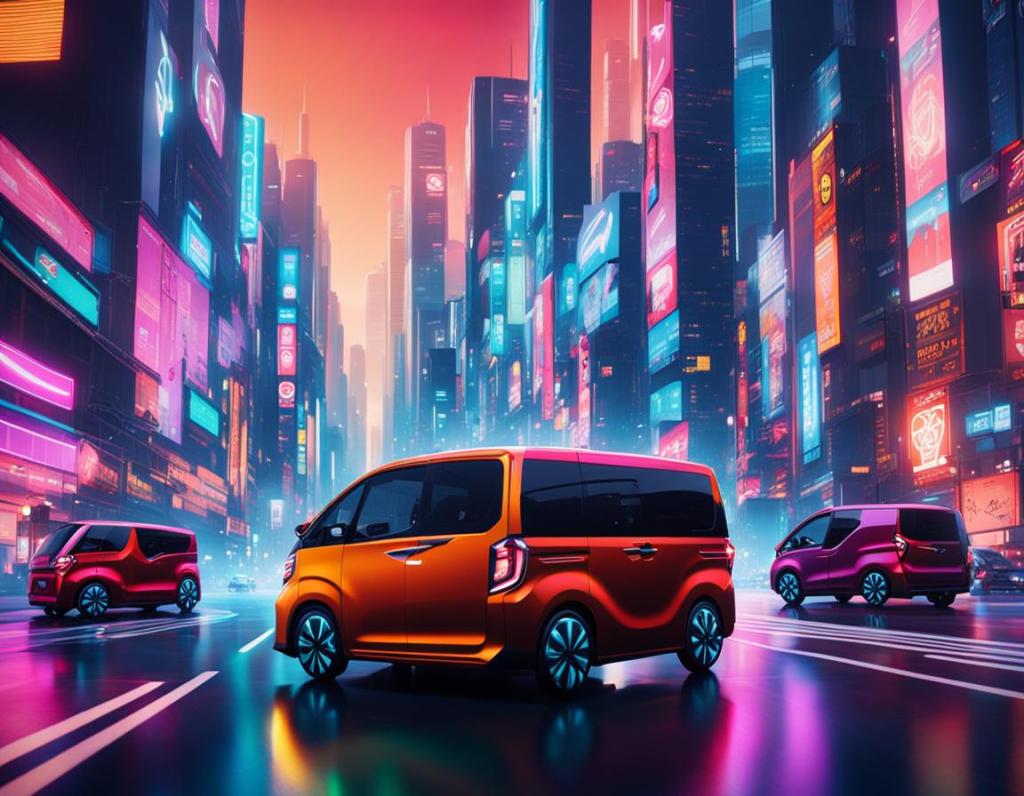
The expertise of both the automotive giants, Suzuki and Daihatsu bring the best in the world. The collaboration in mini-buses and Toyota’s cutting-edge electrification technology brings the synergy for a perfect vehicle tailored for the last mile with a significant dent in CO₂ emissions.
The progress of the project leads to potential expansion in other regions such as Japan and even other countries. The electric vans provided the maximum success for a greener solution with a more efficient future in urban logistics by setting a new standard in sustainability in the commercial vehicle sector.
Important facts
- Suzuki, Daihatsu, and Toyota are partnering through the CJPT (Commercial Japan Partnership Technologies Corporation) to develop battery-electric small vans specifically for the “last mile” logistics in Japan.
- The vans are designed in the targeted compact areas that are accessible to smaller vehicles, making them ideal for the final stage of delivery.
- The vans were able to make up around 60% of Japan’s commercial vehicle fleet for electrifying the environmental impact and contributing to local CO₂ neutrality.
- Toyota offers an electrified variant of its minibus, the Toyota Proace. The vans can support the compact and are specifically designed for electric drives.
- Suziki and Daihatsu can bring the experience with mini-busses, while Toyota can provide its electrification technology.
- The vans can initially test its social projects in Fukushima Prefecture and Tokyo.
What are the Future predictions of the expansion of the market in Japan?
The future predictions of the expansion of the market in Japan:-
- Market expansion with the initial tests in Fukushima and Tokyo was successful with the electric vans that have been rolled out across other regions in Japan and also in other potential countries.
- The technological advancements in battery technology, making electric vehicles more efficient and affordable due to various collaborations.
- The global trends with initiatives align towards sustainability and reducing carbon footprints, potentially a precedent for other countries to follow.
- The project’s success is due to the economic impact boosting the economy of the local youth and also the residents by creating jobs in manufacturing maintenance, and charging infrastructures.
How do you feel about this initiative? Do you think it will make a significant impact on urban logistics and sustainability?
Sources:- drop off, Top electric SUV, merchants fleet, voltia, Fleet equipmentmag
 ledlights