
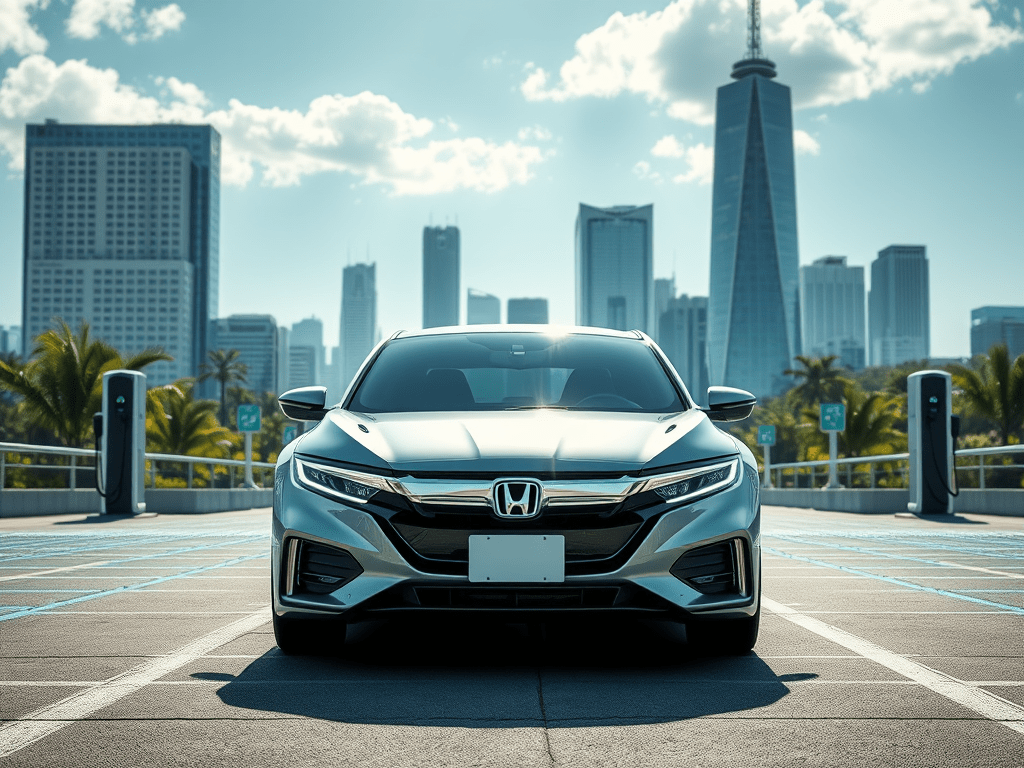
As the world steadily shifts towards sustainable energy solutions, the automotive industry is undergoing a transformative evolution. Leading this charge is Honda, with its ambitious plan to introduce electric vehicles (EVs) equipped with solid-state batteries by 2030. This development is poised to revolutionize the EV market, offering enhanced performance, safety, and efficiency.
The Evolution of Electric Vehicles
Electric vehicles have come a long way since their inception. Early models struggled with limited range, long charging times, and high costs. However, advancements in battery technology have addressed many of these challenges, making EVs more accessible and practical for the average consumer.
Honda, a stalwart in automotive innovation, has been at the forefront of this revolution. The company’s commitment to sustainability is evident in its long-term vision, which includes a substantial reduction in carbon emissions and the eventual phasing out of internal combustion engines.
The Promise of Solid-State Batteries
At the heart of Honda’s future EVs lies the solid-state battery – a cutting-edge technology that promises to overcome the limitations of current lithium-ion batteries. But what exactly are solid-state batteries, and how do they differ from their predecessors?
Solid-State vs. Lithium-Ion Batteries:
Electrolyte Composition:
- Lithium-Ion: Utilizes a liquid electrolyte to facilitate the movement of ions between the anode and cathode.
- Solid-State: Employs a solid electrolyte, which can be ceramic, glass, or a polymer.
Energy Density:
- Solid-state batteries offer a significantly higher energy density. This means they can store more energy in a smaller space, leading to longer driving ranges for EVs.
Safety:
- The absence of a flammable liquid electrolyte in solid-state batteries reduces the risk of fires, a critical safety improvement over traditional lithium-ion batteries.
Longevity:
- Solid-state batteries exhibit less degradation over time, resulting in a longer lifespan and fewer replacements.
Honda’s Strategic Collaboration and Innovation
Honda’s journey towards solid-state battery EVs is marked by strategic collaborations and substantial investments in research and development. The company’s partnership with various tech firms and research institutions aims to accelerate the development and commercialization of solid-state battery technology.
A notable collaboration is with Factorial Energy, a company specializing in advanced solid-state battery technology. This partnership leverages Factorial’s expertise in solid electrolytes and Honda’s extensive experience in automotive engineering, creating a synergy that promises groundbreaking advancements.
Environmental Impact and Sustainability
One of the most compelling aspects of Honda’s solid-state battery initiative is its potential environmental impact. Traditional lithium-ion batteries, while effective, come with environmental costs associated with mining and the disposal of hazardous materials. Solid-state batteries, on the other hand, use more abundant and less toxic materials, making them a greener alternative.
Moreover, the increased efficiency and longevity of solid-state batteries mean fewer resources are needed for manufacturing and replacement, further reducing the overall environmental footprint.
The Future of Mobility
Honda’s vision extends beyond just the development of solid-state battery EVs. The company is committed to creating a holistic ecosystem that integrates EVs with renewable energy sources, smart grids, and advanced charging infrastructure. This approach aims to enhance the convenience and accessibility of EVs while promoting a sustainable energy landscape.
Key Elements of Honda’s Future Mobility Ecosystem:
Renewable Energy Integration:
- Honda plans to integrate EVs with renewable energy sources like solar and wind power, ensuring that the electricity used for charging is clean and sustainable.
Smart Grids:
- The use of smart grids will allow for more efficient energy distribution, reducing peak demand and stabilizing the power supply.
Advanced Charging Infrastructure:
- Honda aims to develop fast and efficient charging stations, reducing the time it takes to recharge EVs and increasing their usability for long-distance travel.
Challenges and Prospects
While the promise of solid-state batteries is immense, several challenges remain. The technology is still in its developmental stages, with issues related to manufacturing scalability, cost, and performance consistency needing resolution. However, with continued investment and innovation, these hurdles are expected to be overcome.
Honda’s commitment to launching solid-state battery EVs by 2030 underscores its confidence in the technology’s potential. As the automotive industry continues to evolve, solid-state batteries are likely to play a pivotal role in shaping the future of mobility.
Conclusion
Honda’s announcement of EVs with solid-state batteries by 2030 marks a significant milestone in the journey towards sustainable and efficient transportation. This innovation promises to address many of the current limitations of EVs, offering longer ranges, enhanced safety, and reduced environmental impact.
As we look forward to this exciting future, it’s clear that Honda’s strategic vision and technological prowess will continue to drive the evolution of the automotive industry. With solid-state batteries at the helm, the era of next-generation electric vehicles is on the horizon, promising a cleaner, greener, and more efficient mode of transportation for all.
Sources:- MSN autos, Team BHP, Driven car guide, topspeed
 ledlights