

The energy in the automotive sector is transforming on a higher scale with Vehicle-to-Grid (V2G) technology with numerous benefits.
A transformative leap in the realm of electric vehicles (EVs) by the V2G technology. The bidirectional energy flow, V2G allows EVs to not only draw power from the grid but also a surplus amount of energy is fed back into it.
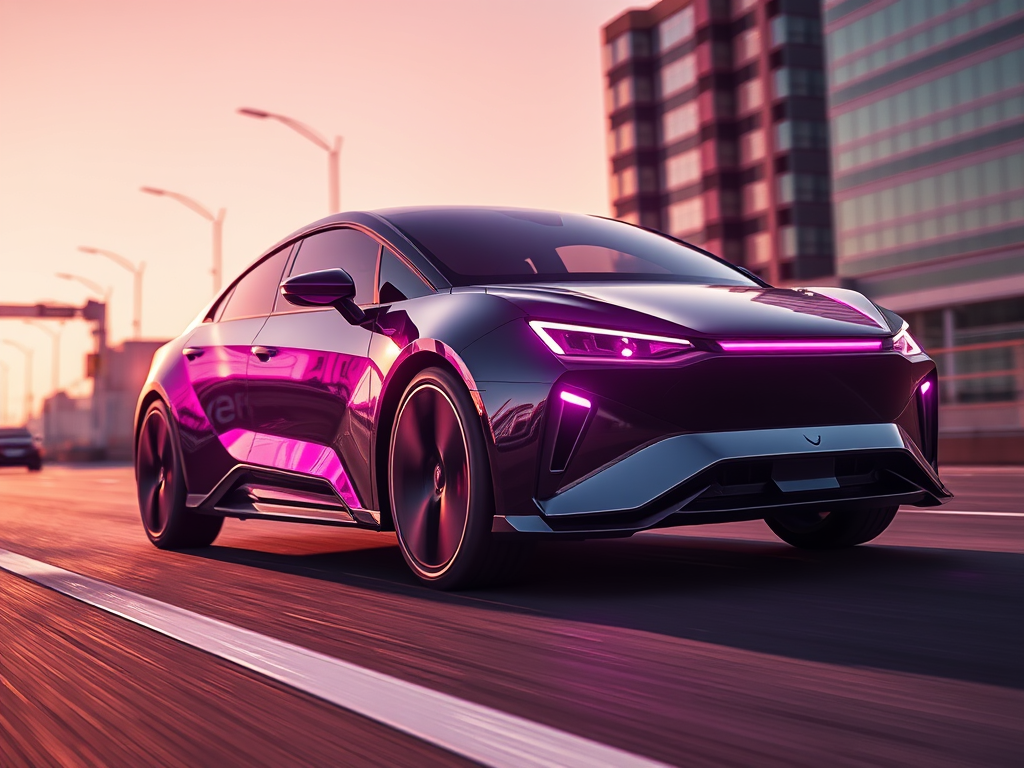
Hence, EVs are turned into mobile energy storage units, with enhanced grid stability, optimizing renewable energy utilization, and the potential to provide financial incentives for EV owners.
What are the benefits of V2G Technology?
1. Grid Stabilization
It is one of the primary benefits of V2G technology. The major pain points are to handle the peak demand periods, EVs can discharge stored energy back into the grid, by reducing the strain on power plants and mitigating the risk of blackouts technology. The role of V2G is to maintain the grid frequency by balancing supply and demand in real time.
2. Renewable energy integration
Renewable energy can be utilized on a maximum level where V2G can store excess amount of renewable energy such as solar and wind and feed it back to the grid when needed.
The supply of renewable energy should be smooth to mitigate the intermittency. Smooth integration of renewables into the energy mix reduces reliance on fossil fuels and lowers greenhouse gas emissions.
3. Economic Incentives for EV Owners
Energy arbitrage involves EV owners buying electricity at low prices, such as off-peak hours, and selling it back to the grid during high-demand periods with elevated prices.
EV owners can charge their vehicles during the night or early morning, and when the demand for electricity spikes, EVs can discharge stored energy back into the grid at higher rates.
In a way, it shows how to profit from Price differences, and EV owners can take advantage of higher electricity prices by profiting from such huge price differences.
The rates are also reduced, and hence, charging occurs during the off-peak hours, minimizing EV owners’ energy expenses. Some financial incentives are also offered in the V2G programs for EV owners.
4. Enhanced battery management
The V2G technology encourages better battery management practices by extending the lifespan of EV batteries through controlled charging and discharging cycles.
Real-life examples:
1. Utrecht’s V2G Pilot Program
The Dutch city of Utrecht, in partnership with We Drive Solar, has deployed 25 modified Hyundai IONIQ 5 vehicles for a V2G trial. This pilot program aims to develop Utrecht into the world’s first bi-directionally powered region. The V2G technology allows these vehicles to discharge stored energy back to the grid, supporting grid stability and enhancing the integration of renewable energy sources.
2. Nissan Leaf and V2G
The Nissan Leaf is one of the few EVs currently equipped with V2G capability. In various pilot projects, the Leaf has demonstrated how V2G technology can stabilize the grid, manage peak loads, and provide backup power. These projects have shown that V2G-capable vehicles can significantly benefit both the grid and EV owners.
3. California’s V2G Initiatives
Several V2G projects are underway in California, a state known for its stringent environmental policies and renewable energy adoption. These projects focus on integrating V2G technology with solar energy systems to create a more resilient and efficient energy grid. By enabling EVs to discharge energy collected from solar panels back to the grid, these initiatives aim to reduce dependence on fossil fuels and enhance grid stability.
Conclusion
The most practical and economically beneficial aspect of all the solutions provided above is Energy arbitrage for EV owners. It also reduces energy costs and contributes a grid stability and efficiency.
Sources:- Tara Energy, EVMechanica, electricmiles, cleanenergyreviews
 ledlights