
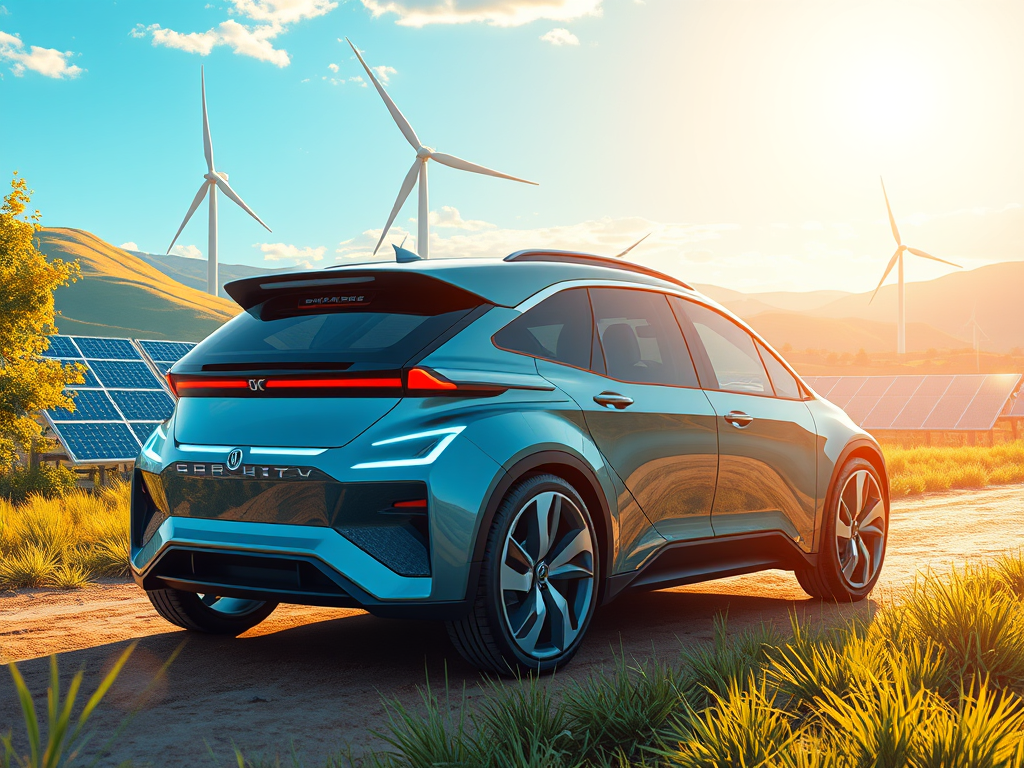
Future of Energy: Key Innovations to Watch
Revolutionizing the energy and transportation sectors is one of the most remarkable ways to play for emerging technologies. The innovations and new solutions are driving technologies to address critical challenges such as sustainability, efficiency, and reliability.
Emerging technologies are the way to the future path and also set a new standard for the new era to evolve and accept the challenges to revolutionize the present journey.

How are emerging technologies poised to revolutionize the following sectors?
Renewable Energy Integration
1. Advanced Energy Storage Systems
Energy storage is crucial for balancing supply and demand, particularly with the integration of renewable energy sources like solar and wind. Emerging technologies like advanced batteries (solid-state batteries, for example), supercapacitors, and flow batteries offer improved energy density, efficiency, and lifespan. These storage systems enable the capture and release of energy when needed, making renewables more reliable and consistent.
2. Smart Grids
Smart grids use advanced information and communication technologies to enhance the efficiency, reliability, and sustainability of electricity distribution. They can dynamically manage electricity flows, integrate renewable energy sources more effectively, and provide real-time information to both utilities and consumers. This leads to optimized energy usage and reduced carbon footprints.
Electric Vehicles (EVs)
1. Wireless Charging
Wireless charging technology eliminates the need for physical connections, making EV charging more convenient. Inductive charging pads embedded in parking spaces or roads can charge vehicles as they are parked or even while driving. This technology simplifies the charging process and encourages wider adoption of EVs.
2. Solid-State Batteries
Solid-state batteries represent a significant advancement over traditional lithium-ion batteries. They offer higher energy density, faster charging times, and improved safety. This technology will enhance the performance and range of electric vehicles, making them more attractive to consumers.
High energy density allows solid-state batteries to store more energy in the same amount of space compared to traditional lithium-ion batteries. It is crucial for applications such as electric vehicles (EVs) or other portable electronic items.
Autonomous Vehicles
1. AI and Machine Learning
AI and machine learning play central roles in the development of autonomous vehicles. These technologies enable cars to perceive their surroundings, make decisions, and navigate complex environments safely. By reducing human error, autonomous vehicles can improve road safety, reduce traffic congestion, and optimize fuel efficiency.
2. Connectivity (V2X Communication)
Vehicle-to-everything (V2X) communication technology allows vehicles to communicate with each other, infrastructure, and pedestrians. This connectivity facilitates better traffic management, reduces accidents, and improves the overall efficiency of transportation systems. V2X communication is essential for the integration of autonomous vehicles into existing traffic networks.
Hydrogen Fuel Cells
1. Fuel Cell Vehicles (FCVs)
Hydrogen fuel cell technology offers a clean alternative to traditional combustion engines. FCVs produce only water vapor as a byproduct, reducing greenhouse gas emissions. Hydrogen is abundant and can be produced from renewable sources, making fuel cell technology a sustainable solution for transportation.
2. Hydrogen Infrastructure
Developing a robust hydrogen infrastructure is critical for the widespread adoption of fuel cell vehicles. Emerging technologies in hydrogen production, storage, and distribution are making it more feasible to establish a comprehensive network. This infrastructure is essential for supporting the transition to hydrogen-based transportation.
Smart Transportation Systems
1. Mobility-as-a-Service (MaaS)
Mobility-as-a-Service integrates various transportation services into a single accessible platform. This technology enables users to plan, book, and pay for multiple types of transportation (e.g., public transit, ride-sharing, bike-sharing) through a unified app. MaaS promotes the efficient use of transportation resources and encourages the use of sustainable modes of travel.
2. Intelligent Traffic Management
Intelligent traffic management systems use real-time data to optimize traffic flow and reduce congestion. These systems can adjust traffic signals, provide route recommendations, and monitor road conditions. By improving traffic efficiency, they contribute to lower fuel consumption and reduced emissions.
Renewable Energy Technologies
1. Floating Solar Farms
Floating solar farms deploy photovoltaic panels on bodies of water, such as reservoirs and lakes. This technology maximizes the use of available space, reduces evaporation rates, and can increase energy efficiency due to the cooling effect of the water. Floating solar farms offer a novel way to expand solar energy capacity.
2. Offshore Wind Power
Offshore wind power technology harnesses the strong and consistent winds over oceans and large lakes. Innovations in turbine design, materials, and installation methods are making offshore wind farms more viable. This technology has the potential to generate significant amounts of clean energy, contributing to decarbonization goals.
Energy Efficiency Technologies
1. Internet of Things (IoT)
The Internet of Things (IoT) connects devices and systems to collect and analyze data. In the energy sector, IoT can monitor and optimize energy consumption in real time. Smart thermostats, lighting systems, and appliances can adjust their operation based on usage patterns, reducing energy waste and lowering costs.
2. Energy Management Systems
Advanced energy management systems (EMS) integrate various technologies to monitor, control, and optimize energy use in buildings, industries, and grids. These systems can predict energy demand, manage distributed energy resources, and improve overall energy efficiency.
Sustainable Urban Mobility
1. E-Bikes and E-Scooters
Electric bikes (e-bikes) and electric scooters (e-scooters) provide sustainable and convenient alternatives for short-distance travel. With embedded connectivity features, these vehicles can be easily rented and used through mobile platforms. They help reduce reliance on fossil fuel-powered transportation and contribute to lower urban emissions.
2. Hyperloop
Hyperloop technology involves high-speed transportation through low-pressure tubes, enabling travel at near-supersonic speeds. This emerging technology promises to revolutionize long-distance travel by significantly reducing travel times and energy consumption. It offers a sustainable and efficient alternative to traditional modes of transportation.
Sources:- Interesting Engineering, Power Electronics News
 ledlights