

Mistakes Damaging Automatic Transmission
Resting the left foot on the clutch pedal while driving a vehicle with an automatic transmission can damage the vehicle over time. Why?
There is a fundamental difference in how automatic and manual transmissions operate.
Manual Transmission:
- The drive engages manually and disengages the clutch to shift gears.
- The clutch pedal is an integral part of the system, that allows the driver to control the engagement between the engine and the transmission.
- The clutch pedal is only used for changing the gear or when coming to a stop.
Automatic Transmission:
- It shifts gears based on the vehicle’s speed and engine load.
- No clutch pedal in an automatic car, instead, a torque converter to manage gear changes smoothly.
- The driver also needs to operate the accelerator and brake pedals.
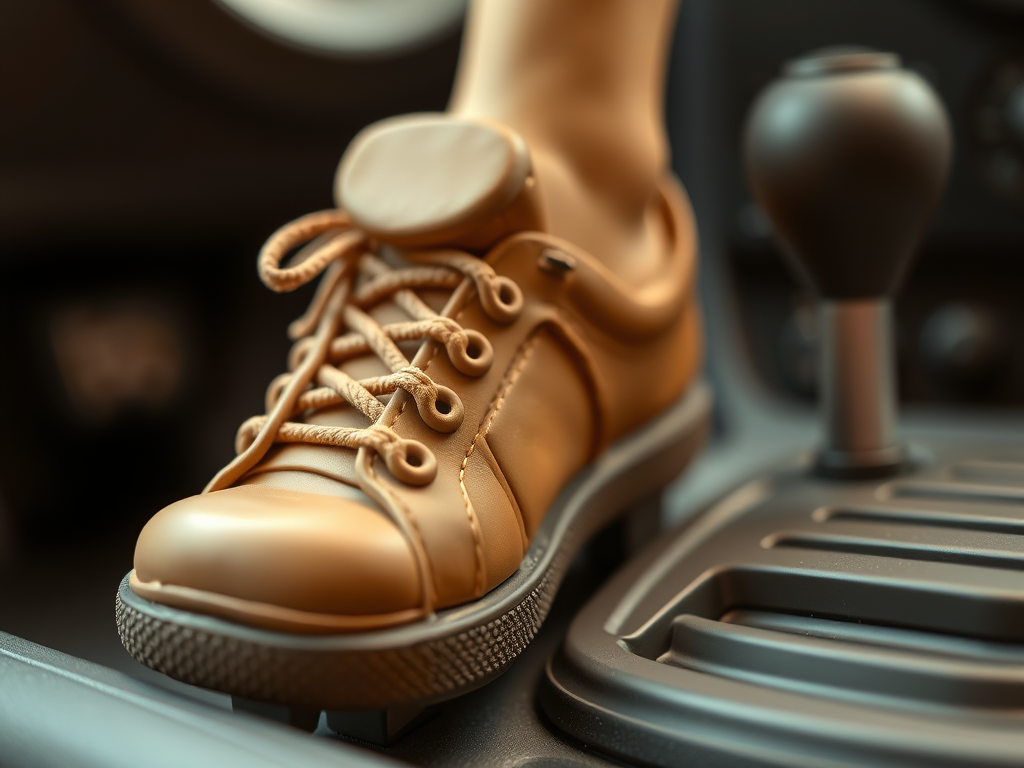
What is the potential damage from Resting the foot on the clutch pedal?
In an automatic vehicle, resting the foot on the clutch pedal is often referred to as “riding the clutch” and leads to problems such as:-
- Increased Wear and Tear on the Clutch Components:
- In manual transmissions, keeping your foot on the clutch pedal can cause the clutch disc to engage partially, leading to premature wear.
- In automatic transmissions, though they do not have a clutch pedal, mimicking this action on the brake or accelerator pedal can cause unnecessary stress on the torque converter and other components.
2. Overheating:
- The unnecessary friction generated by keeping the clutch partially engaged can cause overheating.
- Overheating can damage the clutch components in manual transmissions or the torque converter in automatic transmissions.
- This overheating can lead to a breakdown of the transmission fluid, reducing its effectiveness and potentially causing further damage.
3. Reduced Fuel Efficiency:
- Excessive wear and partial engagement of the clutch in manual transmissions can lead to reduced fuel efficiency, as the engine has to work harder.
- Similarly, in automatic transmissions, improper use of the brake or accelerator pedal can lead to inefficient gear shifts and increased fuel consumption.
4. Transmission Slippage:
- Continuous partial engagement of the clutch can result in transmission slippage, where the clutch disc does not fully engage with the flywheel.
- In automatic transmissions, improper handling can lead to inefficient torque transfer and potential transmission slippage, affecting the vehicle’s performance.
5. Expensive Repairs:
- The damage caused by resting your foot on the clutch pedal can lead to costly repairs. Replacing clutch components in manual transmissions or repairing torque converters and other transmission parts in automatic transmissions can be expensive and time-consuming.
What are the top practices to avoid damage?
The ways to prevent any damage to the vehicle’s transmission with best practices are:-
- Proper Foot Position:
- In a manual transmission, keep your foot off the clutch pedal when not actively shifting gears. Use the dead pedal (footrest) provided in many cars for this purpose.
- In an automatic transmission, avoid unnecessary pressure on the brake or accelerator pedal. Use your right foot for both pedals and keep your left foot away.
2. Regular Maintenance:
- Ensure that your vehicle undergoes regular maintenance checks, including transmission fluid changes and inspections of clutch components (for manual transmissions).
- Address any unusual noises or changes in transmission behavior promptly to prevent further damage.
3. Driving Habits:
- Adopt smooth and deliberate driving habits. Avoid rapid acceleration and harsh braking, as these can put additional stress on the transmission.
- Use the appropriate gear for the driving conditions. In automatic transmissions, this means allowing the transmission to shift smoothly without manual intervention.
While driving an automatic vehicle, the foot resting on the clutch pedal indeed causes damage over time. The fundamental differences between automatic and manual transmissions are that the habit leads to increased wear and tear, overheating, reduced fuel efficiency, transmission slippage, and expensive repairs.
Sources:- Haynes, Autozone, team-BHP, Automotive India
 ledlights