

Mercedes EV Integration Strategy
Mercedes-Benz appears to be at a strategic crossroads with their approach to electric vehicles. The decision to integrate EVs into their main lineup rather than maintaining a separate EQ sub-brand represents a significant shift in their electrification strategy. This approach comes with both promising advantages and notable challenges that deserve careful consideration.
The Case for Integration
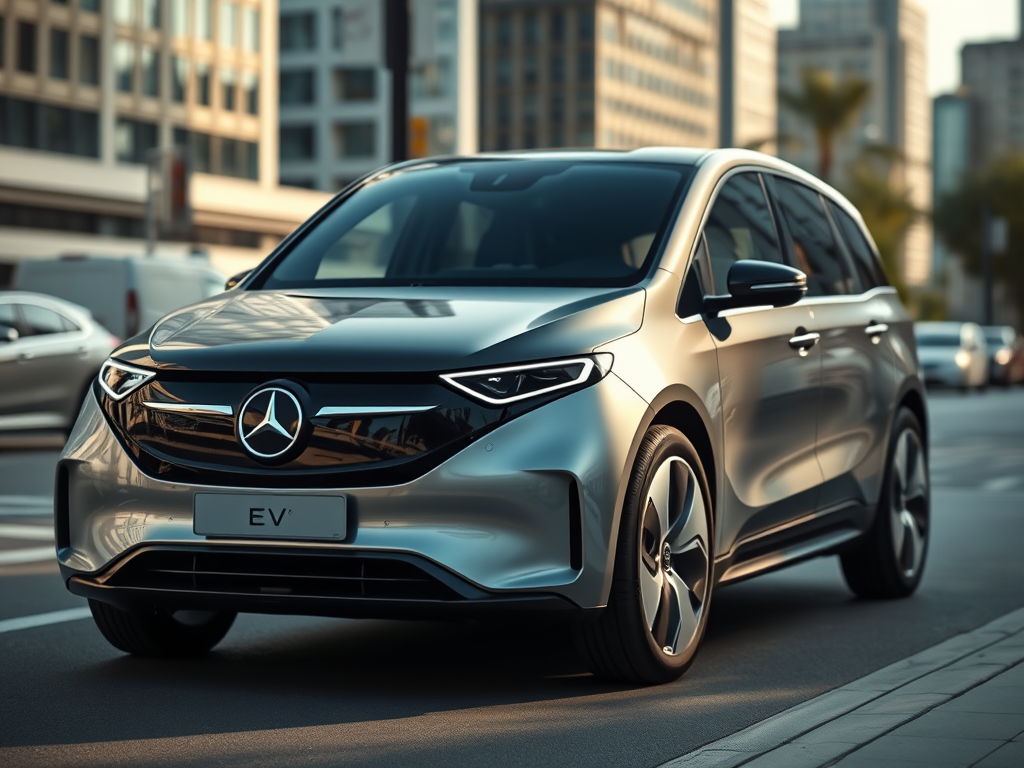
The normalization of electric vehicles stands as perhaps the strongest argument for integration. By incorporating EVs into their standard lineup, Mercedes effectively declares that electric powertrains are simply another propulsion option rather than a fundamentally different product category. This subtle but powerful message helps bridge the psychological gap for traditional luxury car buyers who might otherwise view EVs as experimental or separate from “real” Mercedes vehicles.
From an operational perspective, the integration creates meaningful efficiencies. Rather than maintaining parallel development tracks, marketing campaigns, and dealership training programs, Mercedes can leverage existing infrastructure and expertise. This consolidation potentially reduces redundancies and allows for more flexible resource allocation as the market evolves.
The competitive landscape further supports this approach. As traditional rivals like BMW and Audi expand their electric offerings while contending with pure EV manufacturers like Tesla, Mercedes gains strategic flexibility by presenting a unified brand identity. This positioning allows them to emphasize their century-plus heritage of engineering excellence while demonstrating forward-thinking innovation—essentially claiming the best of both worlds.
The market flexibility advantage is particularly compelling in our globally diverse automotive marketplace. EV adoption rates vary dramatically between regions, influenced by factors including government incentives, charging infrastructure, and cultural attitudes. By avoiding a rigid separation between combustion and electric vehicles, Mercedes retains the ability to emphasize different aspects of their lineup based on regional preferences without compromising brand cohesion.
Potential Challenges of the Unified Approach
However, this integration strategy isn’t without significant risks. The potential for brand dilution represents a genuine concern. Mercedes has invested heavily in establishing their EQ models as innovative, cutting-edge vehicles with distinct identities. By folding these into the conventional lineup, they may lose some of the differentiation that attracted early EV adopters looking for vehicles that visibly signal their environmental values.
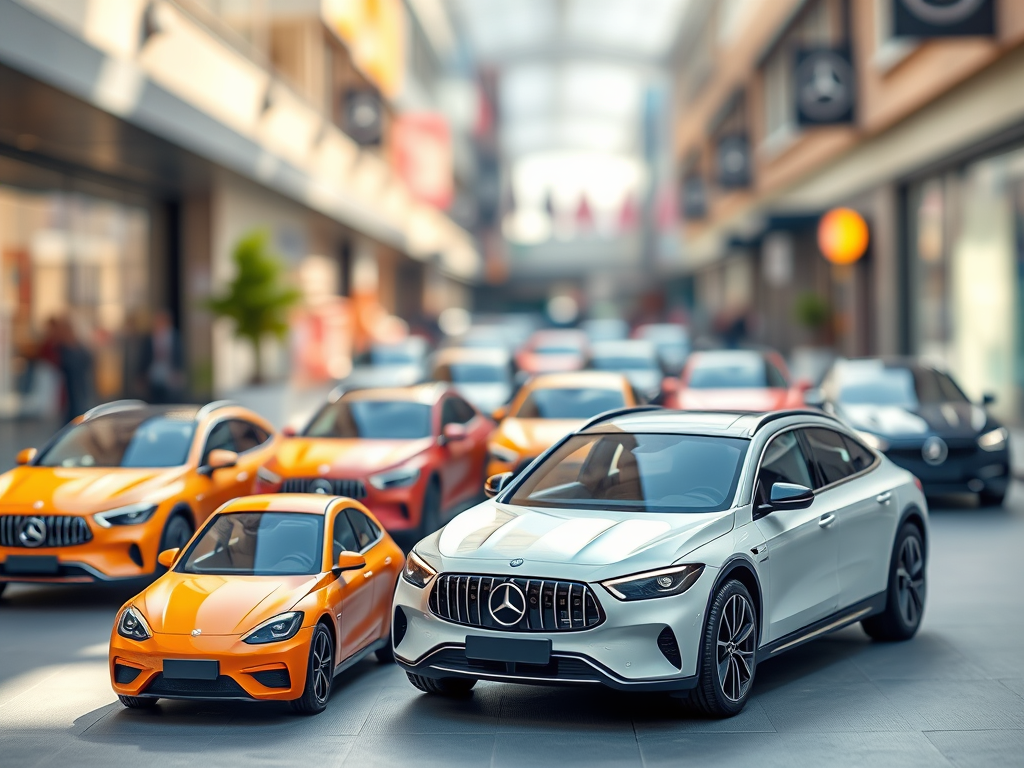
The transition process itself presents complex operational challenges. Manufacturing facilities, service departments, and sales teams accustomed to conventional vehicles require substantial retraining and retooling to properly support EVs. This transition period could create temporary inefficiencies or inconsistencies in customer experience if not managed with exceptional care.
Market perception varies significantly across regions, creating another layer of complexity. In areas where EV adoption remains nascent, Mercedes’ accelerated integration might be perceived as premature or disconnected from local market realities. Competitors maintaining clearer distinctions between their combustion and electric offerings might benefit from this perception gap in certain markets.
Perhaps most concerning is the potential impact on innovation. Dedicated EV sub-brands often enjoy greater freedom to reimagine what a vehicle can be, unbounded by traditional model expectations. By integrating EVs into established model lines, Mercedes risks constraining the creative latitude that has produced some of the most groundbreaking aspects of electric vehicle design and functionality.
Finding the Right Balance
The ultimate success of Mercedes’ strategy will likely depend on execution rather than the strategy itself. The integration approach offers compelling advantages if Mercedes can maintain distinct EV identity within their broader lineup while simultaneously leveraging their established brand strength. This requires delicate balance—ensuring EVs benefit from Mercedes’ luxury reputation while still allowing them to showcase their unique technological capabilities.
As the automotive industry continues its transformative journey toward electrification, Mercedes’ approach represents one answer to the fundamental question facing legacy automakers: Should electric vehicles be positioned as revolutionary departures from tradition or as natural evolutions of established product excellence? Time will tell whether their integrated strategy proves prescient or premature in navigating this historic transition.
Pros:
- Accelerates mainstream adoption of EVs.
- Streamlines operations and reduces costs.
- Enhances competitiveness in a rapidly evolving market.
- Provides flexibility to cater to diverse regional demands.
Cons:
- Risks diluting the brand identity of Mercedes’ EV lineup.
- Potential challenges in transitioning manufacturing and dealership networks.
- May confuse consumers or reduce the perceived exclusivity of EVs.
- Could slow innovation by spreading resources too thin.
 ledlights