
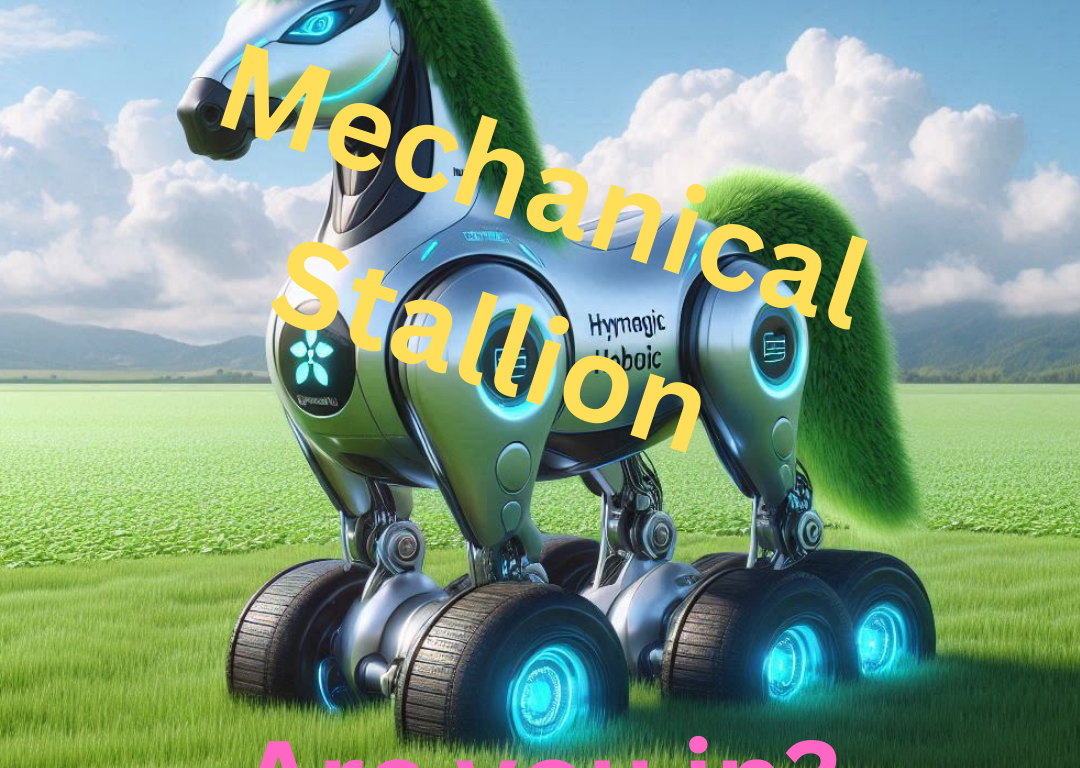
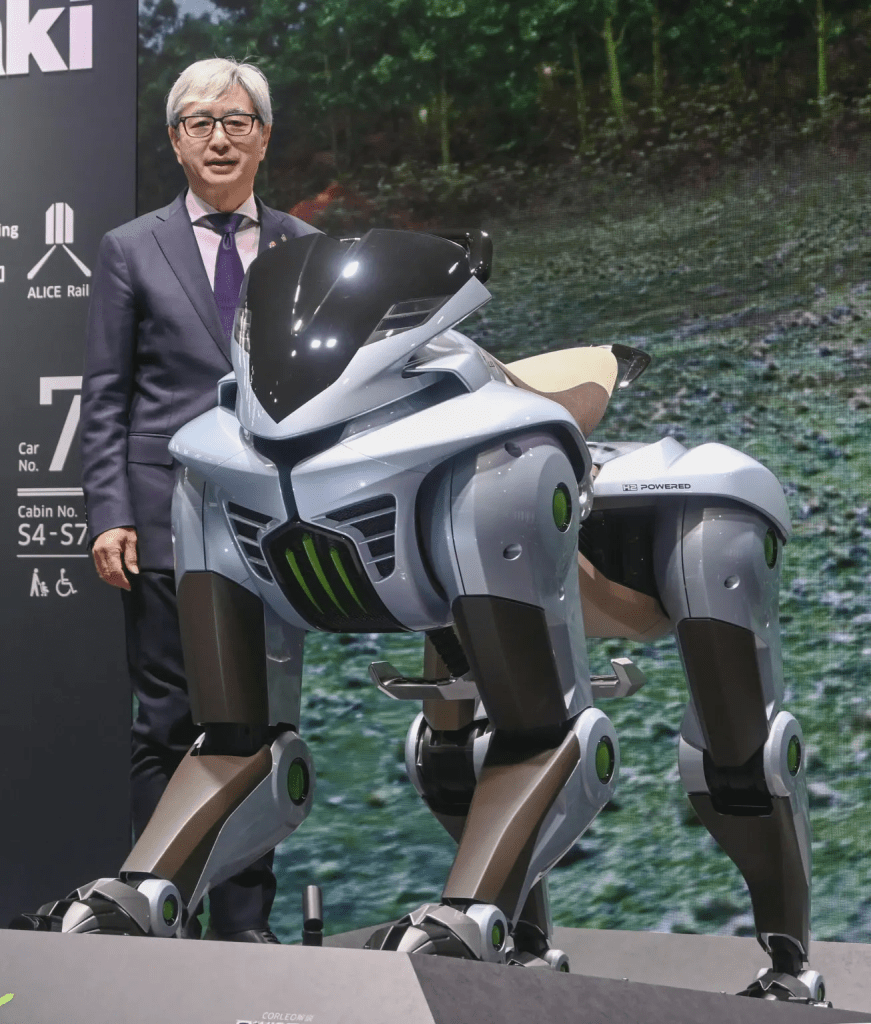
A hydrogen-powered robotic horse designed for personal transportation. In an era where sustainable technology and innovative transportation solutions are rapidly evolving. Kawaski is definitely galloping ahead in the present trends by setting a revolutionary concept and remodeling personal transportation.
The groundbreaking fusion of robotics, clean energy, and biomimetic engineering could transform how we think urban mobility and natural environments should be like?
Are we in the future where the race course will be filled out with Mechanical Stallion? Can that be accepted and provide relief for the horses to be not a part of this gambling business? Or do we enter into a new gambling business with machines?
New ground in Clean Transportation
A perfect intersection of the company’s core competencies with Kawaski’s robotic horses in motorcycles, robotics, and hydrogen technology. Unlike conventional electric vehicles that require lengthy charging time, this mechanical steed runs on hydrogen fuel cells to be refilled in minutes, with water vapor as the only emission.
As we can see, electric vehicles are labeled as conventional vehicles in front of the new hydrogen fuel-driven vehicles.
The hydrogen fuel system is elegantly integrated into a sophisticated robotic frame to mimic the equine biomechanics with remarkable accuracy. A combination of hydraulic actuators, servo motors, and AI-driven control systems, the robotic horse replicates the natural gaits of its biological counterpart.
This mechanical steed can do anything, say walking, trotting, and even galloping.
ZUMAPRESS.com
Practical Applications
The concept if futuristic with applications extended far beyond recreation:
- Imagine navigating congested city streets on a zero-emission robotic horse to travel on roads and pedestrian paths alike. Its not far, where you can reach office in a new look.
- The stable platform to provide mobility assistance for elderly or disabled individuals.
- The ability of the mechanical steed to traverse difficult terrain and making it valuable for emergency services in areas inaccessible to conventional vehicles.
- As an alternative solution, traditional equine therapy, enables individuals with disabilities to experience horseback riding.
Kawaski’s commitment to intuitive design shows the interface between rider and machine. Voice commands and gesture controls allow for natural communication with the robotic horse, while haptic feedback through the saddle creates a more immersive riding experience. An augmented reality displays real-time information about speed, energy levels, and navigation.
However, the concept does face challenges, such as limited hydrogen refueling infrastructure, high initial production costs, and public acceptance of such a radical departure from conventional transportation.
With time only we can see, how far the concept is pulled into a physical thing. Are the people interested in such ventures or has it just become a rich people’s amusement and pleasure fun?
What do you think about such a concept? Do you support it? Do you want to try out such concepts in the real world?
Kawasaki unveiled the forward-thinking Corleo for the Osaka Expo 2025 in Japan. It’s a 2050 concept model for a future mode of transportation. The expo’s theme is “designing future society for our lives.” The event officially opens on April 13. Source (cnet)
 ledlights