
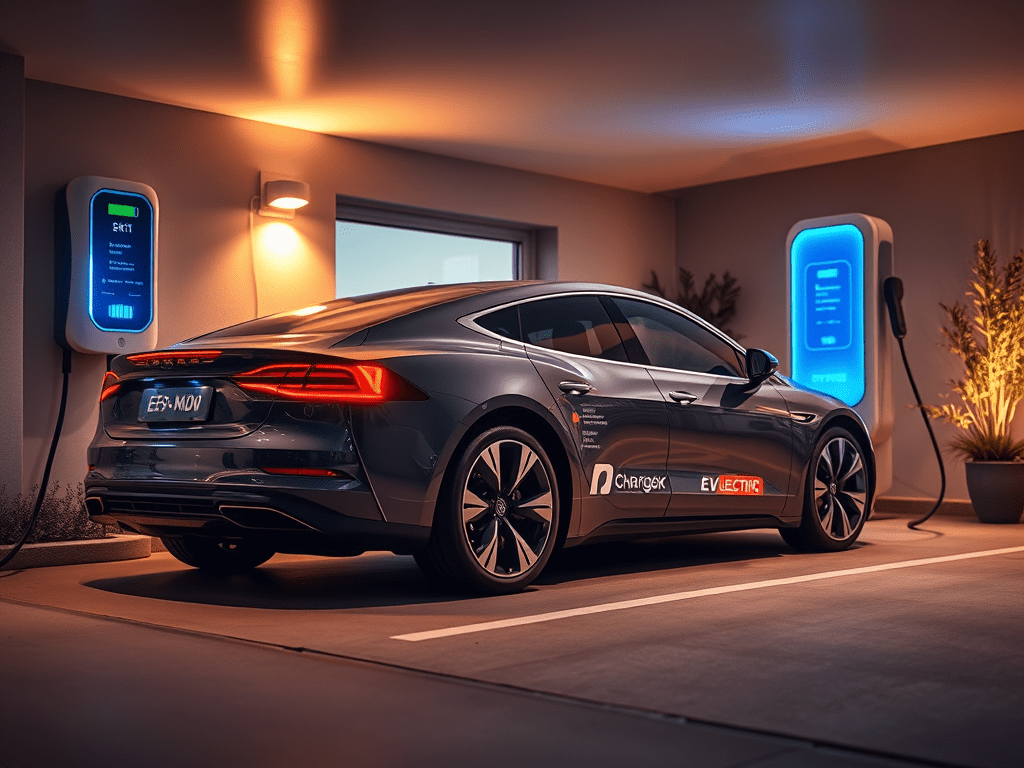
Electric Vehicles. It’s more than just a New Way to Drive.
Have you ever wondered what it’s like to drive on roads powered by battery-connected vehicles?
Electric vehicles represent one of the biggest revolutions in the automobile industry. They transform not only transportation but also people’s daily habits. Electric vehicles change the way people commute.
Beyond reducing emissions and fuel costs, it can reshape the way people think about mobility. Switching from a traditional gas-powered car to an electric vehicle doesn’t just change how you refuel. It also changes your daily habits. Your planning style and overall driving experience are affected as well.
Certain habits have become increasingly important for Electric Vehicle users to adopt. There are several key lifestyle changes required when transitioning to an electric vehicle.
EV ownership introduced various new, tech-driven lifestyle changes. These include charging routines, range awareness, and using mobile apps for vehicle monitoring.
Let’s look at the big lifestyle adjustments required for an EV user to switch from a Gas car:-
- Shifting from Gas Station Stops to Home Charging Routines
- Replacing the quick gas station with home charging turns it into a passive overnight habit. It’s akin to plugging in a smartphone.
- Around 80% of EV charging occurs at home while sleeping, and 88%
- Around 80% of EV charging occurs at home while sleeping. Overall, 88% takes place at home or work. This eliminates the need for weekly trips to fuel up.
Installing a Level 2 home charger resulted in significant savings for EV owners. They saved up to $14,500 in fuel costs over 15 years. This is because home charging is cheaper than gasoline.
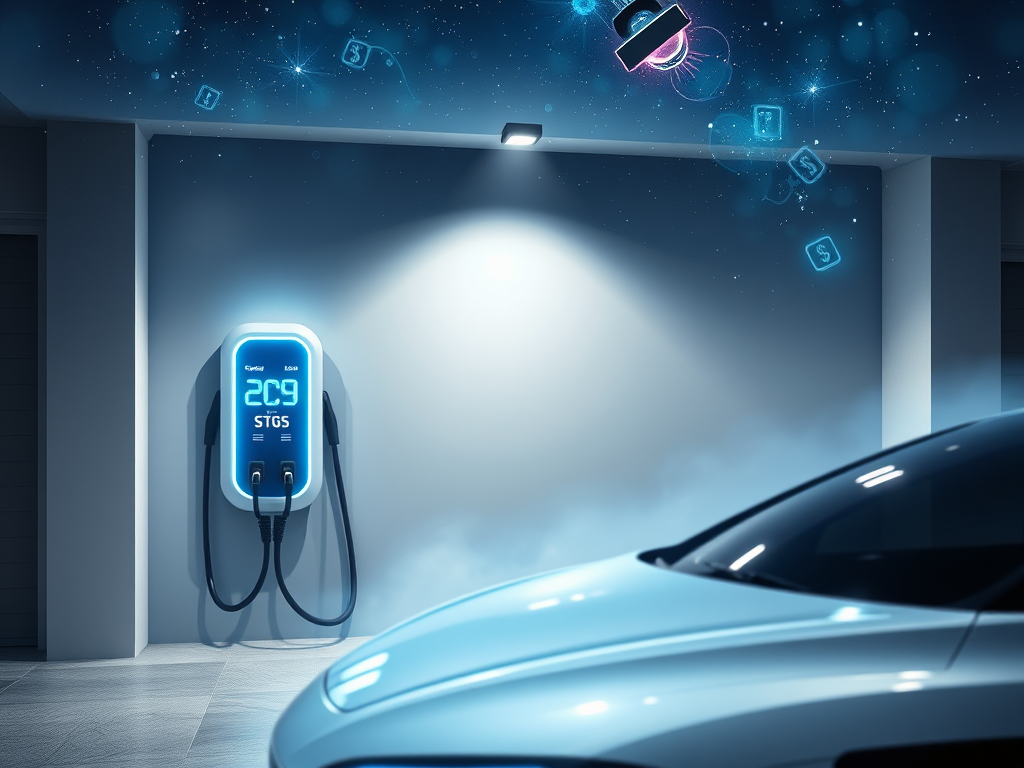
2. Range management and planning longer trips
- The daily driving shifts from monitoring a gas gauge to checking the battery range. The most modern EVs offer a median of 270 miles per charge (up to 516 miles in top models). According to experts, it exceeds the average U.S. daily drive of 29.1-39.7 miles. This reduces “range anxiety” for commutes.
- For road trips planning, a stop of every 200-300 miles is recommended every 20-45 minutes at every DC fast charger.
- About 69% of new EV drivers experience first range anxiety. However, it fades with experience. Regenerative braking recaptures energy and extends range.
Auto route-planning with EVs is also recommended. It shows charging stops and wait times. This makes long-distance travel feasible but more deliberate than with gas cars.
3. Maintenance and service visits are also reduced
- EVs are designed with fewer moving parts ( around 24 vs. over 2,000 in gas cars), eliminating oil changes, spark plugs, air filters, and exhaust repairs, leading to less frequent shop visits.
- Tyre rotations and wiper fluid checks remain basic needs. However, regenerative braking is significantly extending the brake pad life.
Hence, the budget requires less time and money for upkeep. Many owners report it “no longer needs to go to service.” This is considered a major perk.
According to AAA data, EV owners save an average of $330 annually on maintenance compared to gas vehicles. The batteries typically last beyond 100,000 miles and can be repurposed for energy storage afterwards.
4. Adapting to a new driving style
- A quiet and smooth rise occurs without engine noise, vibrations, or gear shifts. Instant torque provides quicker acceleration. Many models achieve 0-60 mph in under 4 seconds.
- Regenerative braking slows down the car and recharges the battery when lifting off the accelerator with initial adjustment.
- Low-placed battery to rediscover the joy of driving. It’s also a paradigm shift from traditional gas-powered responsiveness.
Many EV drivers are experiencing lower stress from the calm, vibration-free experience and perks like HOV lane access.
As per the commuters and owners,
“How efficient, smooth, quiet, fast and reliable my EV is. Renting ICE vehicles on work trips makes me sad.”
Instant acceleration and smoothness.
“One long-time owner (switched in 2014 but still relevant) said the biggest surprise was how easy charging became and how much quieter and more connected to the road the drive felt—no vibrations or engine noise.”
“No maintenance, regular tire wear, cheaper to run… Driving ICE cars now just feels clunky.”
Sources:- blinkcharging, pluglesspower, greencars
 ledlights