Is there any impact of the gender role on the purchase and preference of electric cars in Japan?

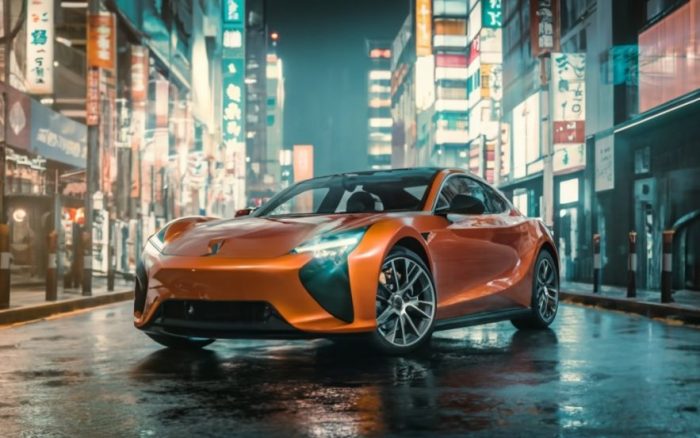
Traditional gender roles in Japan influence car preferences, with men favoring powerful vehicles, while women prefer compact cars. However, younger generations show more egalitarian attitudes towards gender roles influencing vehicle preference. Continue reading Is there any impact of the gender role on the purchase and preference of electric cars in Japan?

Which are the top electric vehicles launched in 2023 globally?

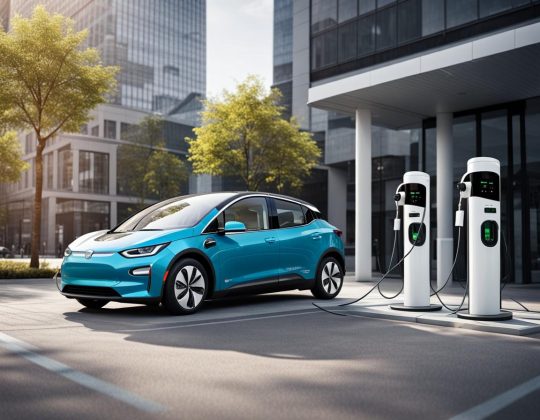
Global electric vehicle (EV) sales are expected to grow 34% in 2024, accounting for 20% of total car sales. China, Europe, and the USA will lead the market, while Tesla continues to dominate with a 40–50% market share. The 2024 EV market will offer diverse choices and enhanced features across price points and styles, with anticipation high for models like Audi Q6 e-tron, BMW i5, and Tesla’s Cybertruck. Continue reading Which are the top electric vehicles launched in 2023 globally?

What does the development of fog computing, cloud computing, and Internet of Vehicle (IoV) means in the current industry?

The intersection of fog computing, cloud computing, and the Internet of Vehicles (IoV) forecasts a future where vehicles communicate intelligently and navigate autonomously. Utilizing local data processing and global analysis, these three paradigms heighten system performance, safety and intelligence. However, challenges lie in security, privacy and resource management. The potential market growth for fog computing is estimated around $18-$20 billion by 2022. Continue reading What does the development of fog computing, cloud computing, and Internet of Vehicle (IoV) means in the current industry?

Unpacking Japanese consumer preferences for the insights and trends in the EV market?

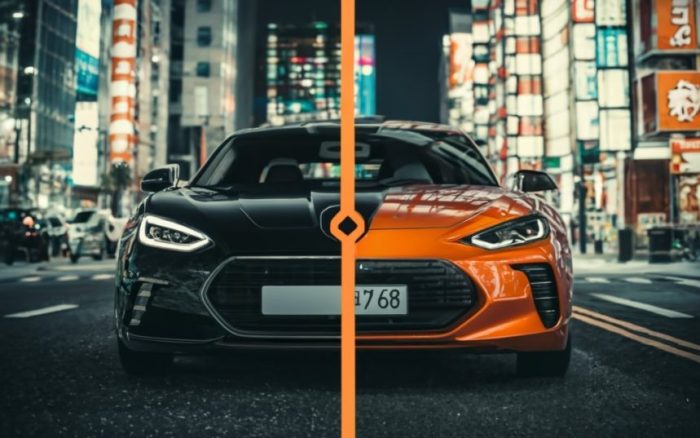
Japanese consumer preferences in the electric vehicle (EV) market are influenced by factors such as brand loyalty, design, price, advanced features, environmental consciousness, and perceived range. In Japan, Nissan, Mitsubishi, and Honda are leading EV manufacturers due to consumer loyalty. Additionally, the Japanese government has significantly invested in increasing EV accessibility through subsidies, tax breaks, and an expanded charging infrastructure. However, issues like range anxiety and an influx of foreign competitors present growing challenges.
Continue reading Unpacking Japanese consumer preferences for the insights and trends in the EV market?

Uncovering the secret factors Influencing Audi and Tesla’s Electric Car Competition

Audi and Tesla are leading competitors in the electric car industry. Tesla stands out in performance, range, fuel efficiency, and has a unique supercharger network, but is pricier. Audi offers traditional design features, robust charging speed, and network coverage in Europe, and is more affordable. Both brands appeal to different customer segments and continents. Continue reading Uncovering the secret factors Influencing Audi and Tesla’s Electric Car Competition

How are the connected sensors and devices used to collect and analyze data in real time in smart cars?

IoT technology significantly enhances smart car safety and efficiency by enabling real-time data collection and analysis. Key benefits include predictive maintenance, enhanced connectivity, and improved self-driving capabilities. Continue reading How are the connected sensors and devices used to collect and analyze data in real time in smart cars?

Internet of Things (IoT): The use of connected sensors and devices to collect and analyze data in real time

The Internet of Things (IoT) represents a digital revolution, with networked devices offering invaluable business insights. Despite potential annual impacts exceeding $11 trillion by 2025, there are concerns about data risks. Continue reading Internet of Things (IoT): The use of connected sensors and devices to collect and analyze data in real time