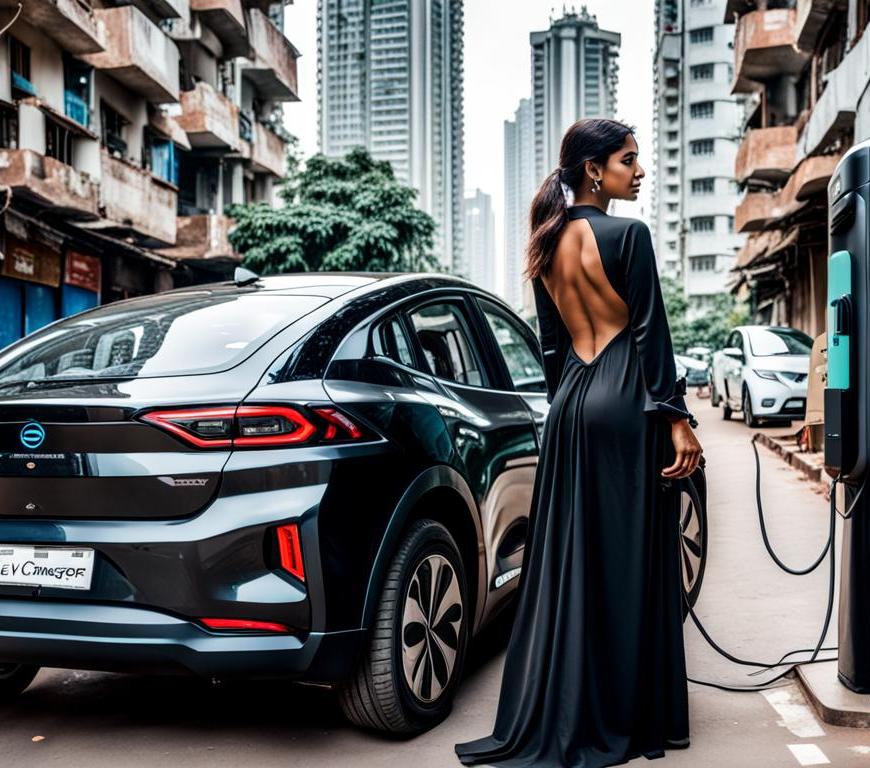
What are the major perceptions, concerns, and awareness of Indian consumers regarding EVs? What are the misconceptions to be addressed?


Indian consumers are increasingly interested in electric vehicles (EVs) due to factors like rising fuel prices and environmental concerns, with 70% of tier-one car consumers considering an EV for their next vehicle. Continue reading What are the major perceptions, concerns, and awareness of Indian consumers regarding EVs? What are the misconceptions to be addressed?

Why recycling and circular economy for EV batteries can be a game changer?

Electric vehicle (EV) batteries play a crucial role in the transition to sustainable transportation. Recycling and circular economy principles offer benefits such as resource efficiency, cost reduction, and environmental mitigation. Embracing a circular economy approach for EV batteries involves designing for reuse, minimizing waste, and exploring new revenue streams. Continue reading Why recycling and circular economy for EV batteries can be a game changer?

What are the global trends and challenges for EV battery manufacturing?

The global trend in EV battery manufacturing is marked by advancements in technology, rising energy density, and sustainability. The demand and supply of EV batteries are increasing, with China leading the market. Major challenges include high costs, environmental impacts, and raw material availability. Key players like Tesla, CATL, and Northvolt are addressing these challenges through innovation and sustainability efforts. Continue reading What are the global trends and challenges for EV battery manufacturing?

What are the strengths and weaknesses of different EV battery companies in India?

Electric vehicle (EV) batteries in India are dominated by companies such as Exide Industries, Amara Raja Batteries, Tata Group, Reliance Industries, and Indian Oil Corporation. Each company faces the challenge of transitioning to lithium-ion batteries to meet the increasing demand. Continue reading What are the strengths and weaknesses of different EV battery companies in India?

Is there any potential for domestic manufacturing of EV batteries in India through partnerships and government support?

The world of electric vehicles (EVs) relies heavily on EV batteries for performance and cost. India shows potential for EV battery manufacturing, but faces challenges like import dependence. Continue reading Is there any potential for domestic manufacturing of EV batteries in India through partnerships and government support?

Lithium ion batteries in circular economy

Why recycling and reusing lithium-ion batteries is crucial for a circular economy?

Lithium-ion battery recycling is crucial in achieving a circular economy, especially with increasing usage in electronics, electric vehicles, and renewable energy storage. Although recycling rates are currently low, advancements are rapidly improving recovery methods, allowing the materials to be reused. Continue reading Why recycling and reusing lithium-ion batteries is crucial for a circular economy?

What is the future outlook for electric vehicles?

The future of electric cars is promising, with global sales projected to reach 10 million by 2022 and 14 million by 2023, accounting for 18% of total automobile sales. Factors such as policy support, consumer preferences, technology innovation, and cost reduction are driving this growth. However, challenges including supply chain constraints, infrastructure gaps, and market competition loom. The International Energy Agency (IEA) has outlined three scenarios for the global EV market development, pointing to potential increases in electric car sales based on different measures. Continue reading What is the future outlook for electric vehicles?